 (+035) 527-1710-70
 NEWSLETTER


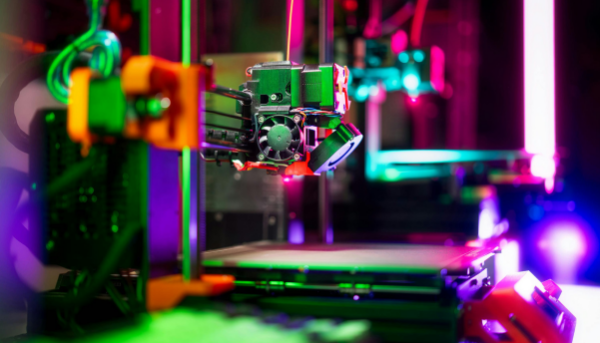
The use of 3D printing applications is really changing the game for how businesses develop, design, and manufacture their products. What seemed like a futuristic dream has turned into a handy solution for saving money, boosting speed, and turning complex concepts into reality.
Therefore, this article will introduce 10 practical applications of 3D printing, as well as a quite impressive customized 3D printing solution to help those in need.
10 Applications and Examples of 3D Printing in Different Industries
Using 3D printing applications in manufacturing is changing the way things are made. Companies can make designs that weren’t possible before, thanks to this faster and cheaper technology. Many businesses depend on it to stay ahead and work more efficiently, which is not a surprise.
This is the reason why so many businesses use 3D printing to make unique parts, prototypes, and designs that are ready for production. Below, we’ll look at some of the most effective ways that businesses are using this technology to deal with problems and go beyond their limits.
1. Medical & Healthcare
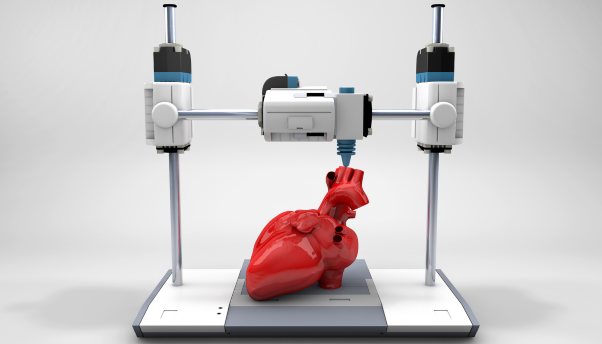
3D printing is changing the way medical treatments are developed and delivered. What once took weeks and high costs—like custom implants or prosthetics—can now be created within hours, ensuring a perfect fit and faster recovery for patients. This technology allows healthcare providers to design and manufacture personalized medical devices, surgical tools, and even bioprinted tissues.
Examples of 3D Printing in Healthcare:
- Custom Prosthetics & Implants: Personalized limb prosthetics, dental implants, and bone replacements.
- Surgical Guides & Tools: 3D-printed models for pre-surgical planning, reducing risks, and improving precision.
- Bioprinting & Tissue Engineering: Research into printing human tissues and organ structures for medical applications.
2. Aerospace & Aviation
3D printing applications in manufacturing are changing aircraft and spaceship production. Lighter, stronger parts reduce aviation fuel expenses, which is crucial. If you’re curious about pricing, this guide explains 3D printing costs and key factors.
Examples of 3D Printing in Aerospace & Aviation:
- Lightweight Engine Components: 3D-printed turbine blades, fuel nozzles, and brackets to reduce aircraft weight.
- Spacecraft Materials: Heat-resistant alloys and structural components optimized for extreme space conditions.
- On-Demand Manufacturing: Custom-built tools and replacement parts are printed directly at space stations or remote locations.
3. Automotive
Car manufacturing is changing with 3D printing. It’s faster, cheaper, and lets automakers design parts without production constraints. From prototypes to custom components, this technique improves the whole process, which makes production smarter and more efficient.
Examples of 3D Printing in Automotive:
- Custom & Replacement Parts: On-demand printing of car components, reducing storage and supply chain costs.
- Prototyping & Testing: Fast development of new vehicle designs, improving R&D efficiency.
- Lightweight Performance Parts: 3D-printed components that enhance speed, fuel efficiency, and aerodynamics.
4. Architecture & Construction
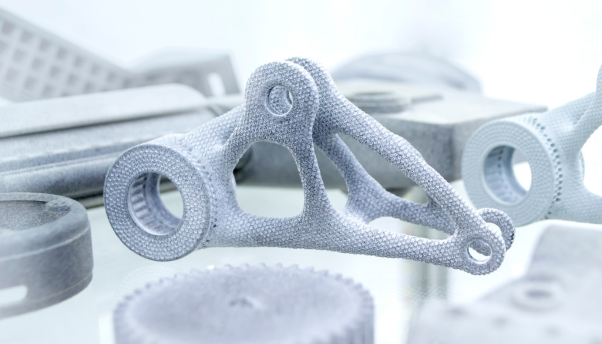
3D printing is transforming the way buildings are designed and constructed. What once took months or years can now be done in a matter of days, reducing labor costs, material waste, and overall construction expenses while allowing for more creative, customized structures.
Examples of 3D Printing in Architecture & Construction:
- Full-Scale 3D-Printed Homes: Houses printed in record time with sustainable materials.
- Custom Architectural Designs: Unique, curved, and intricate structures that are impossible with traditional methods.
- Disaster Relief & Affordable Housing: Rapidly built homes for displaced communities and low-cost housing projects.
5. Consumer Goods & Fashion
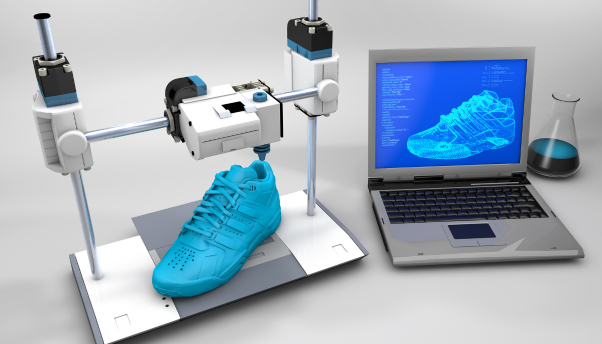
People used to buy exclusively products that were already made in stores. Now, 3D printers can create shoes that fit perfectly, one-of-a-kind jewelry, and glasses just for your face. But these printers do more than make special things. 3D printers only use the stuff they need to make each thing, not like big factories that waste a lot.
Examples of 3D Printing in Consumer Goods & Fashion:
- Custom-Fit Footwear & Eyewear: Shoes, glasses, and wearables are designed to match individual needs.
- Sustainable Fashion & Accessories: Jewelry, clothing elements, and bags made with minimal waste.
- Limited-Edition & Personalized Products: Brands using 3D printing for unique, small-batch designs.
6. Manufacturing & Industrial
Traditional manufacturing takes time, money, and resources. However, 3D printing applications in manufacturing are altering the game. In hours, manufacturers can print prototypes and spare parts. This speeds up the process and cuts costs.
Examples of 3D Printing in Manufacturing & Industrial:
- Rapid Prototyping & Product Testing: Faster development cycles for new products.
- Custom Tooling & Spare Parts: On-demand production for automotive, aerospace, and machinery repairs.
- Electronics & Circuit Boards: Precise, compact designs for cutting-edge devices.
7. Education & Research
School works better when students can see and touch the things they learn about. More and more schools are getting 3D printing machines now. These printers make real objects that help make hard ideas easier to get, like in science class, math time, and when learning about machines.
Examples of 3D Printing in Education & Research:
- Interactive Learning Tools: Printed models for science, math, and engineering lessons.
- Custom Lab Equipment: Affordable, specialized tools for research experiments.
- Low-Cost Prototypes & Models: Universities using 3D printing for innovation and testing.
8. Defense & Military
In the military, having the right equipment at the right time can make all the difference. 3D printing applications in manufacturing help by producing weapons, vehicle parts, and tools on demand. Plus, the military uses 3D printers to build lightweight drones for surveillance, precision armor for better protection, and vital health supplies for remote regions.
Examples of 3D Printing in Defense & Military:
- On-Demand Equipment & Weapon Parts: Quick production of mission-critical tools and replacement components.
- Drones & Surveillance Technology: Lightweight, 3D-printed UAVs for reconnaissance and security.
- Protective Gear & Medical Supplies: Custom-fit armor and medical tools for frontline operations.
9. Food Industry
Playing around with different recipes has always been a good time, but 3D printing makes it even more so. Nowadays, chefs have the ability to print a wide variety of foods, including miniature chocolate figurines, pasta in any shape they desire, and even meat substitutes that taste authentic. All of these things can be done accurately and without throwing away any food.
Examples of 3D Printing in the Food Industry:
- Custom Pastries & Chocolates: Bakeries and confectioners create intricate edible designs.
- Personalized Nutrition & Meal Planning: Tailored meals with precise vitamins and nutrients.
- Sustainable Food Production: 3D-printed plant-based meat alternatives for a greener future.
10. Robotics & Electronics
Thanks to 3D printing, smart devices and robots are getting smaller while simultaneously improving in speed and intelligence. With a lot more accuracy and less waste, engineers can now print unique enclosures, tiny circuit parts, and even flexible sensors.
Examples of 3D Printing in Robotics & Electronics:
- Custom Electronic Enclosures: Printed casings for smart devices, wearables, and IoT gadgets.
- Advanced Robotics Components: Lightweight, high-performance robotic arms and exoskeletons.
- AI-Powered Prosthetics & Sensors: Printed prosthetic limbs and flexible sensors for better functionality.