(+035) 527-1710-70
 NEWSLETTER


When planning a CNC machining project, one of the first questions many engineers and buyers ask is: How much does CNC machining cost?
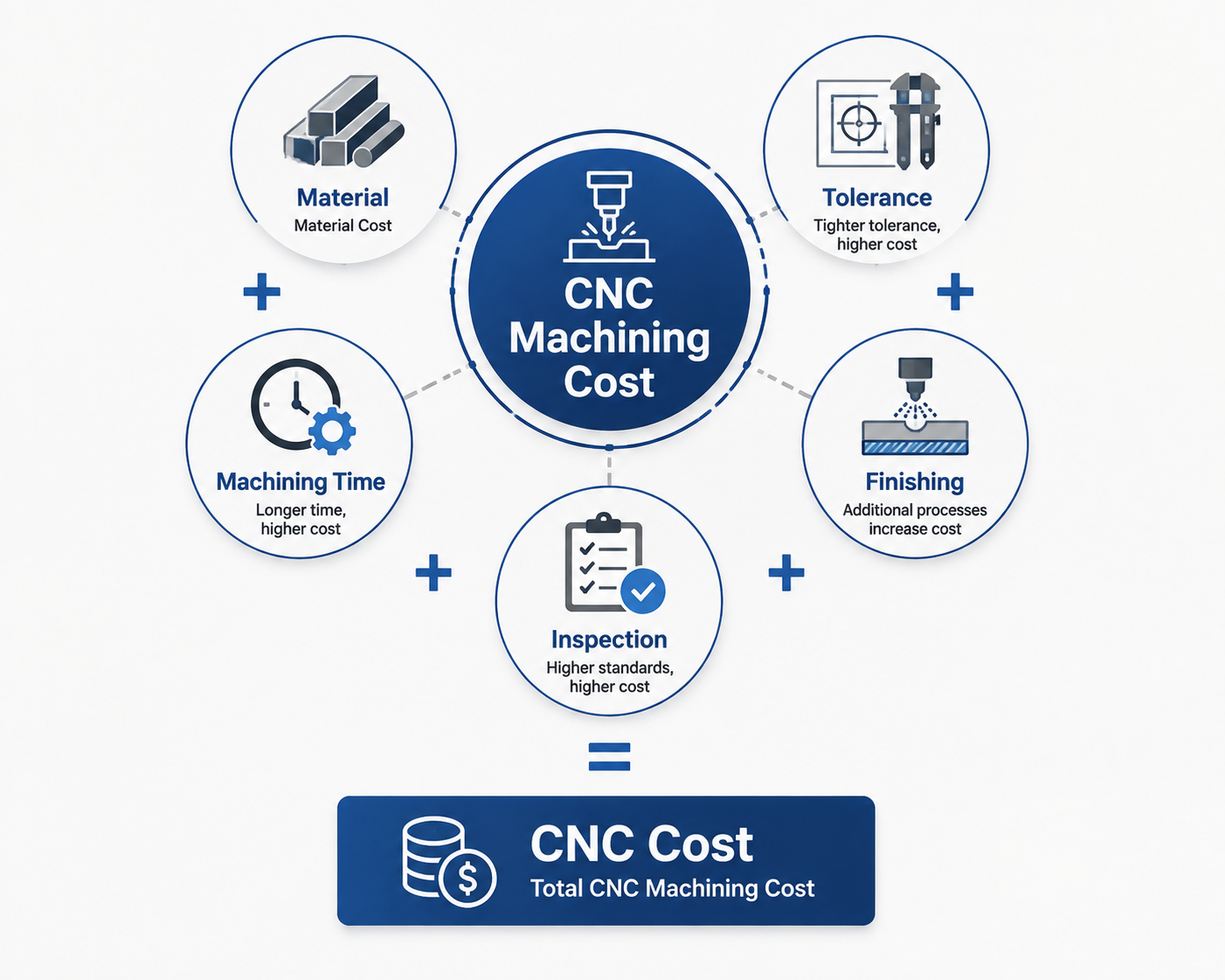
The answer depends on many factors, including material selection, part complexity, machining time, tolerances, surface finishes, and production volume.
Understanding what affects CNC machining costs can help you optimize your design, reduce unnecessary expenses, and choose the most cost-effective manufacturing solution.
In this guide, we will explain the key factors that influence CNC machining prices and provide practical tips to reduce manufacturing costs.
What Is the Average Cost of CNC Machining?
CNC machining costs can vary significantly depending on the project requirements.
A simple prototype part may cost only a few dozen dollars, while complex precision components can cost hundreds or thousands of dollars.
The main factors affecting CNC machining costs include:
- Material type
- Part design complexity
- Machining time
- Required tolerances
- Surface finishing
- Production quantity
- Tooling requirements
- Labor and inspection requirements
8 Factors That Affect CNC Machining Cost
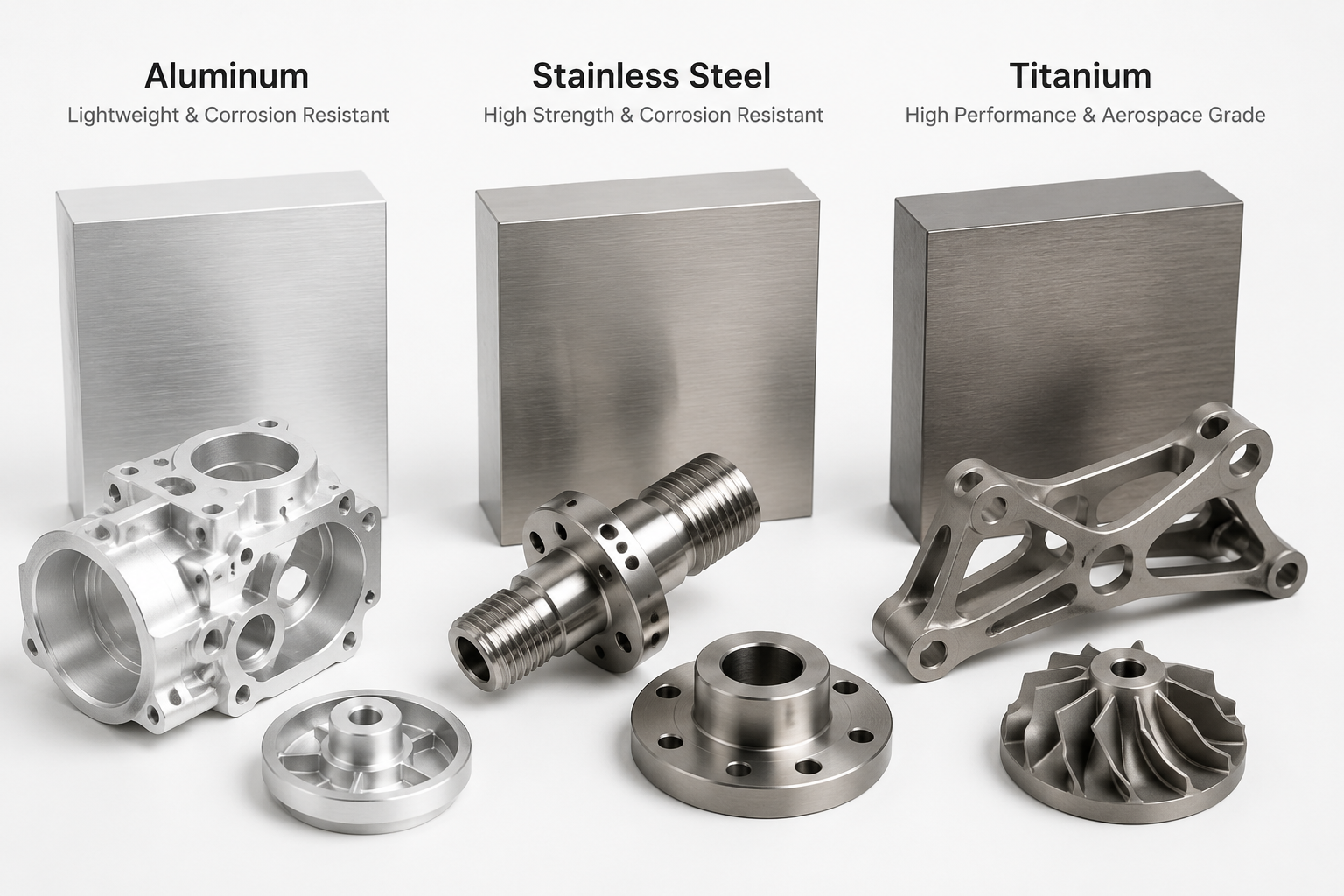
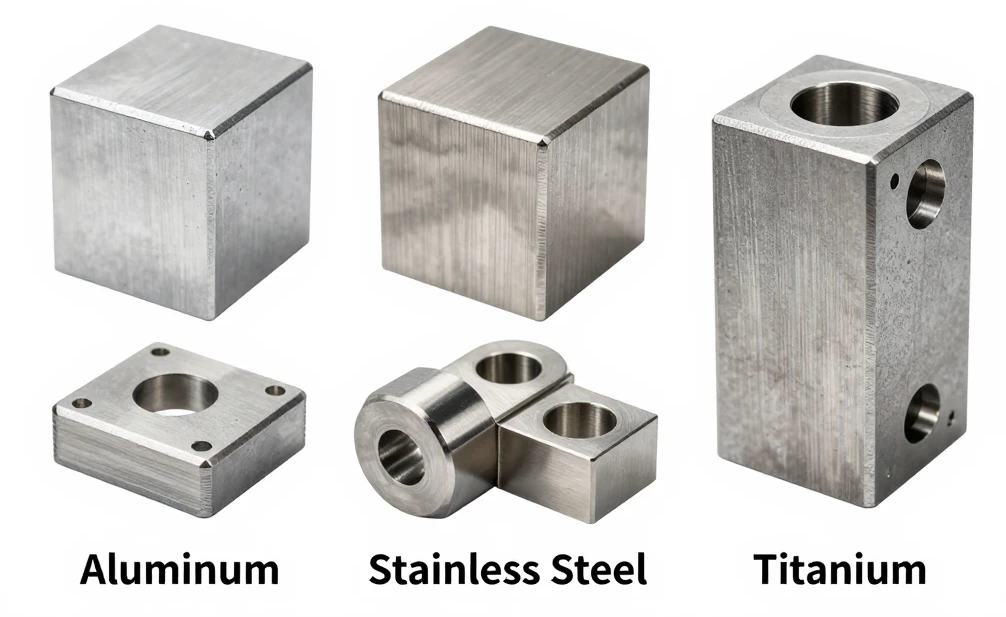
1. Material Selection
Material is one of the biggest factors affecting CNC machining costs.
Different materials have different raw material prices and machining characteristics.
Aluminum
Aluminum is one of the most commonly used CNC materials because it is lightweight, affordable, and easy to machine.
Benefits:
- Excellent machinability
- Lower machining time
- Good corrosion resistance
Common applications:
- Prototypes
- Aerospace components
- Electronics housings
Stainless Steel
Stainless steel is more expensive than aluminum because it is harder and requires slower machining speeds.
Advantages:
- High strength
- Excellent corrosion resistance
- Long service life
Applications:
- Medical equipment
- Industrial components
- Food processing parts
Titanium
Titanium provides excellent performance but significantly increases machining costs.
Reasons include:
- Difficult machining process
- Higher tooling requirements
- Longer production time
2. Part Complexity and Geometry
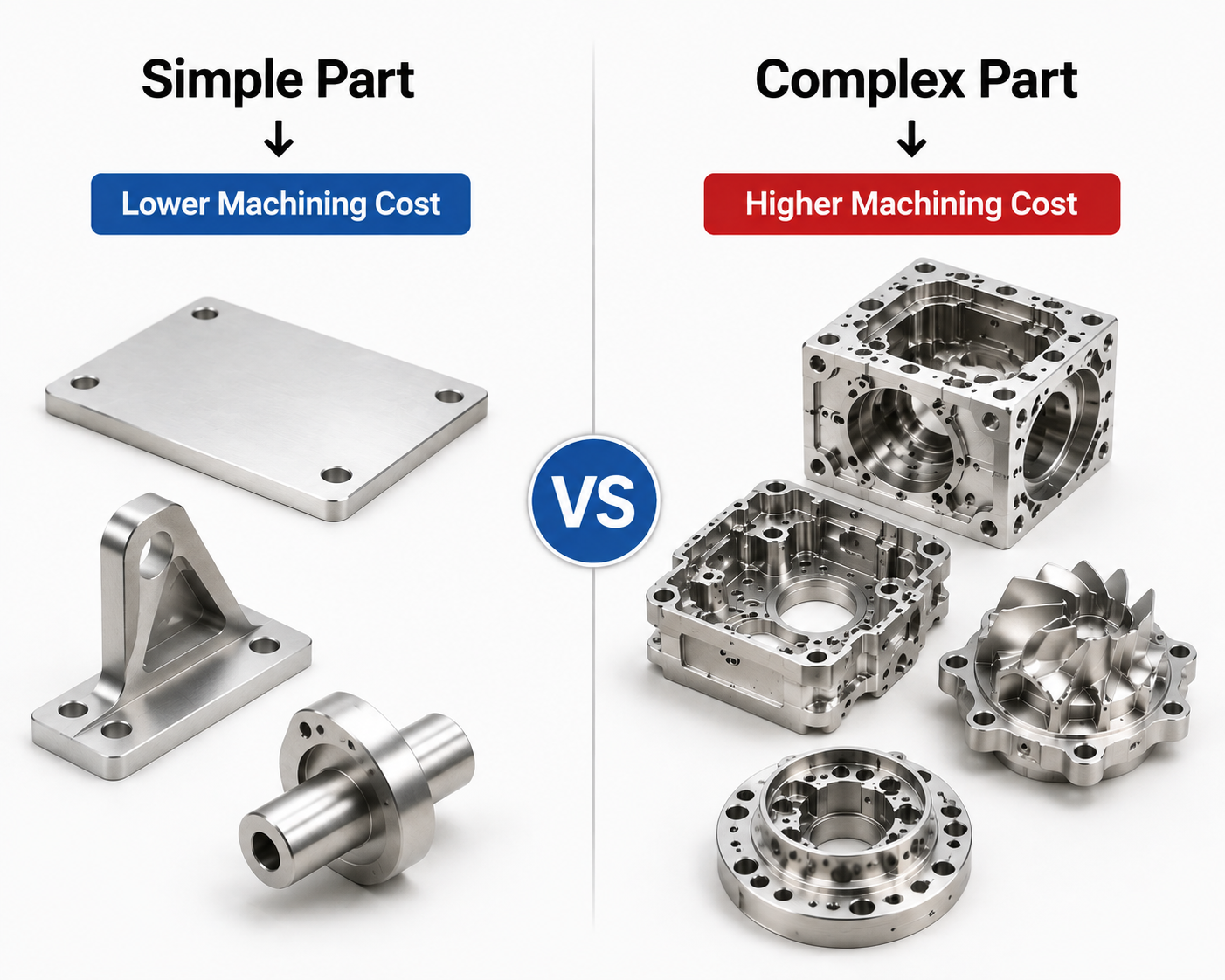
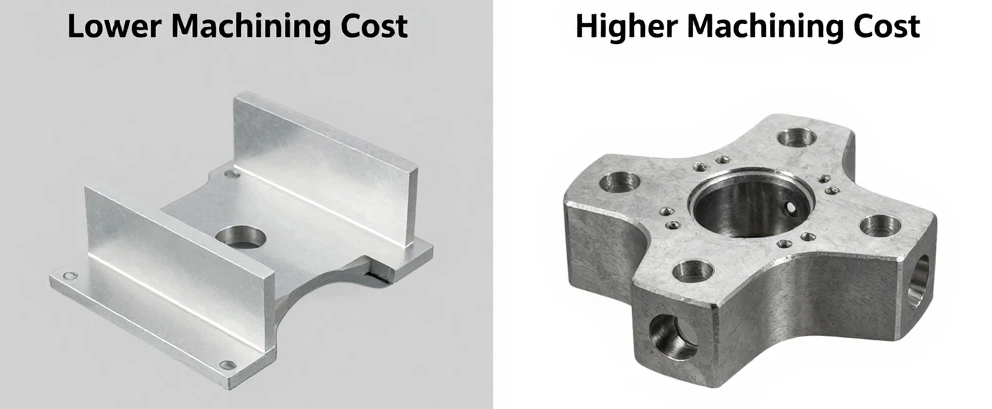
The complexity of a part directly affects machining time and cost.
Simple parts with basic features are faster and cheaper to manufacture.
Complex designs may require:
- Multiple machine setups
- Special tooling
- Additional programming
- Longer inspection time
Examples of cost-increasing features:
- Deep pockets
- Thin walls
- Complex curves
- Tight internal corners
- Small precision holes
3. Machining Time
CNC machining costs are strongly related to machine operating time.
Longer machining operations increase costs because they require:
- More machine hours
- More cutting tools
- More operator involvement
Factors that increase machining time include:
- Removing large amounts of material
- Using slower cutting speeds
- Machining hard materials
- Creating complex geometries
Optimizing part design can significantly reduce machining time.
4. Tolerance Requirements
Tighter tolerances require more precise manufacturing processes.
For example:
Standard tolerance:
±0.10 mm
Precision tolerance:
±0.01 mm
High-precision parts often require:
- Additional machining operations
- More detailed inspection
- Specialized equipment
Only apply tight tolerances to critical features to avoid unnecessary costs.
5. Surface Finishing Requirements
Additional finishing processes can increase the total cost of CNC parts.
Common surface finishes include:
Anodizing
Provides:
- Corrosion resistance
- Improved appearance
- Surface protection
Bead Blasting
Creates:
- Uniform matte texture
- Cleaner appearance
Polishing
Provides:
- Smooth surface
- Premium appearance
The more processing steps required, the higher the manufacturing cost.
6. Production Volume
The number of parts you order affects the unit price.
Prototype Production
Usually has a higher cost per part because:
- Programming costs are spread over fewer parts
- Setup time represents a larger percentage of total cost
Low-Volume Production
Ordering multiple parts can reduce average cost because:
- Setup costs are distributed
- Manufacturing becomes more efficient
Mass Production
Large quantities usually achieve the lowest unit cost.
7. Tooling and Setup Requirements
Before machining begins, manufacturers need to prepare:
- CNC programming
- Machine setup
- Cutting tools
- Fixtures
For simple parts, setup is quick.
For complex components, additional preparation may be required.
Reducing unnecessary design complexity can lower setup costs.
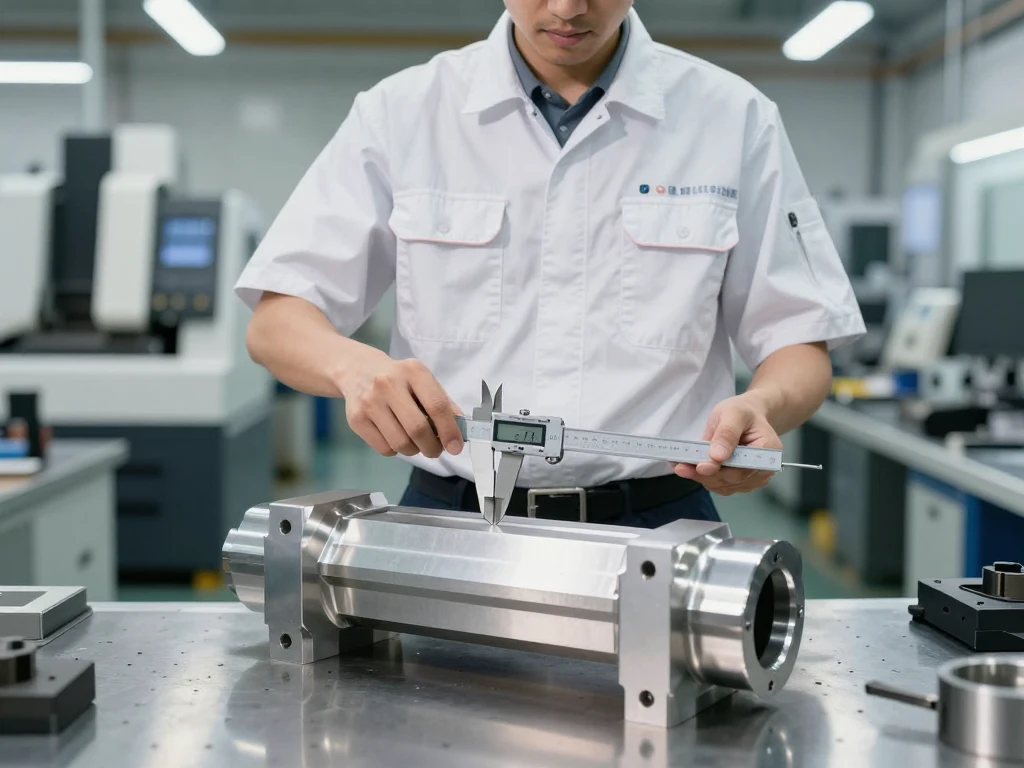
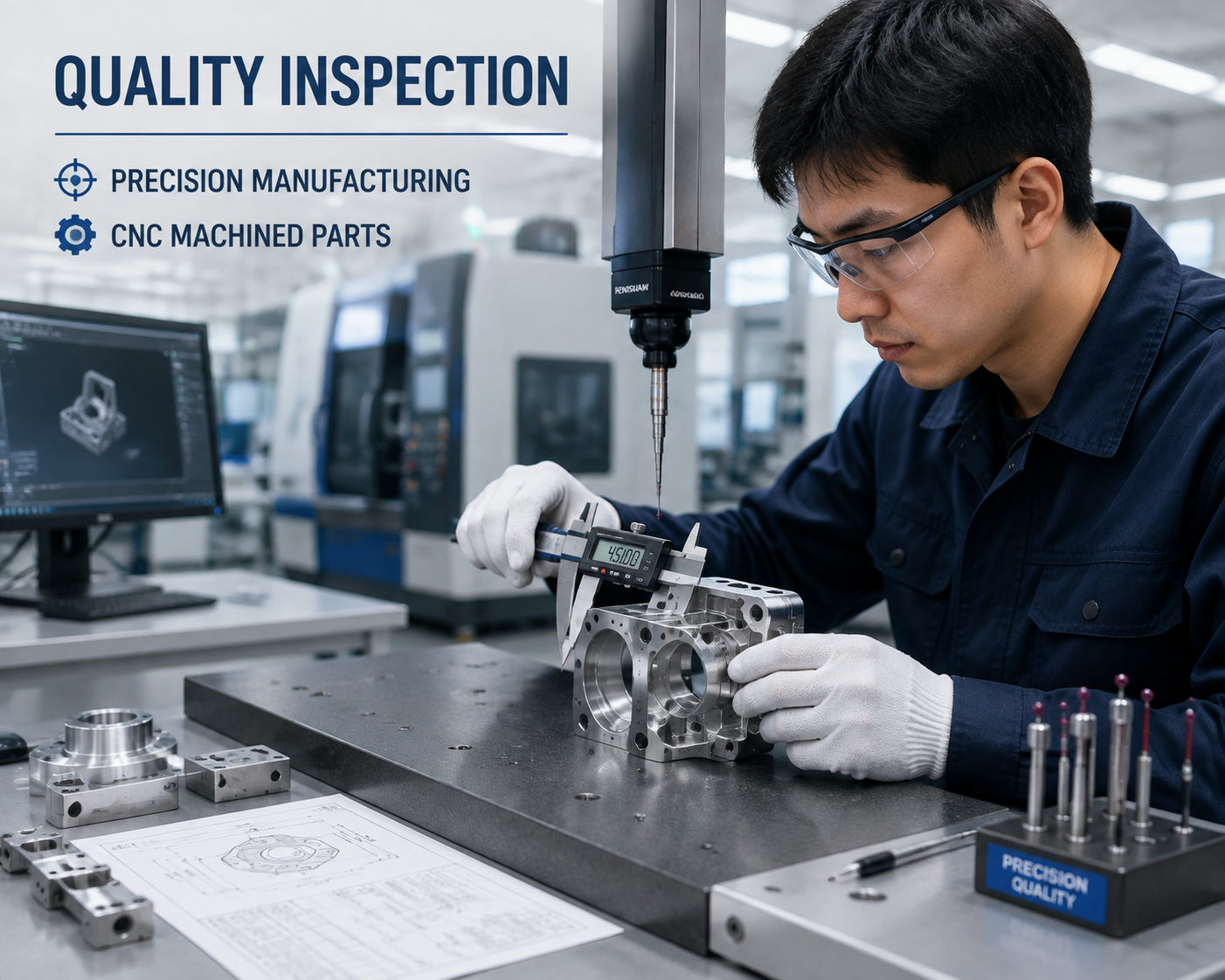
8. Quality Inspection Requirements
Inspection requirements also influence CNC machining costs.
Standard inspection may include:
- Dimensional measurement
- Visual inspection
More advanced requirements may involve:
- CMM inspection
- Detailed inspection reports
- Material certifications
Critical industries such as aerospace and medical often require stricter quality control.
How to Reduce CNC Machining Costs
Here are some practical ways to lower manufacturing expenses:
1. Choose the Right Material
Select materials based on actual performance requirements.
Avoid choosing expensive materials when a more affordable option can meet your needs.
2. Avoid Unnecessary Tight Tolerances
Only specify precision tolerances for critical features.
Looser tolerances reduce machining time and inspection costs.
3. Simplify Part Design
Manufacturing-friendly designs help reduce costs.
Consider:
- Reducing deep pockets
- Avoiding unnecessary complex shapes
- Using standard hole sizes
4. Increase Order Quantity
If possible, order multiple parts together to reduce the cost per unit.
CNC Machining Cost Comparison
| Factor | Lower Cost Option | Higher Cost Option |
|---|---|---|
| Material | Aluminum | Titanium |
| Tolerance | Standard tolerance | Ultra precision |
| Design | Simple geometry | Complex geometry |
| Finish | As-machined | Polished/coated |
| Quantity | Higher volume | Single prototype |
| Inspection | Basic inspection | Full inspection report |
How We Help Reduce CNC Manufacturing Costs
At KG Precise, we help customers optimize CNC machining projects from prototype to low-volume production.
Our engineering team reviews your CAD files and provides recommendations on:
- Material selection
- Design optimization
- Machining methods
- Surface finishing options
By improving manufacturability before production, we help customers achieve high-quality parts while controlling costs.
Conclusion
CNC machining costs depend on many factors, from material selection and part complexity to tolerances, finishes, and production volume.
The best way to control costs is to design parts with manufacturability in mind and select only the requirements necessary for your application.
Working with an experienced CNC machining partner can help you achieve the right balance between quality, performance, and budget.