(+035) 527-1710-70
 NEWSLETTER


CNC Machining Materials Guide: How to Choose the Right Material for Your Project
Selecting the right material is one of the most important decisions in any CNC machining project. The material you choose directly affects the part’s strength, durability, weight, corrosion resistance, machinability, and overall manufacturing cost.
With so many metals and plastics available, it can be difficult to determine which one best suits your application. In this guide, we’ll compare the most commonly used CNC machining materials and explain how to choose the right option for your project.
Why Material Selection Matters
Choosing the right material isn’t just about performance—it’s also about balancing functionality, manufacturability, and budget.
The right material can:
- Improve product performance
- Reduce manufacturing costs
- Extend product lifespan
- Simplify machining processes
- Enhance corrosion and wear resistance
A poor material choice may lead to higher production costs, premature failure, or unnecessary design compromises.
Common Metals for CNC Machining
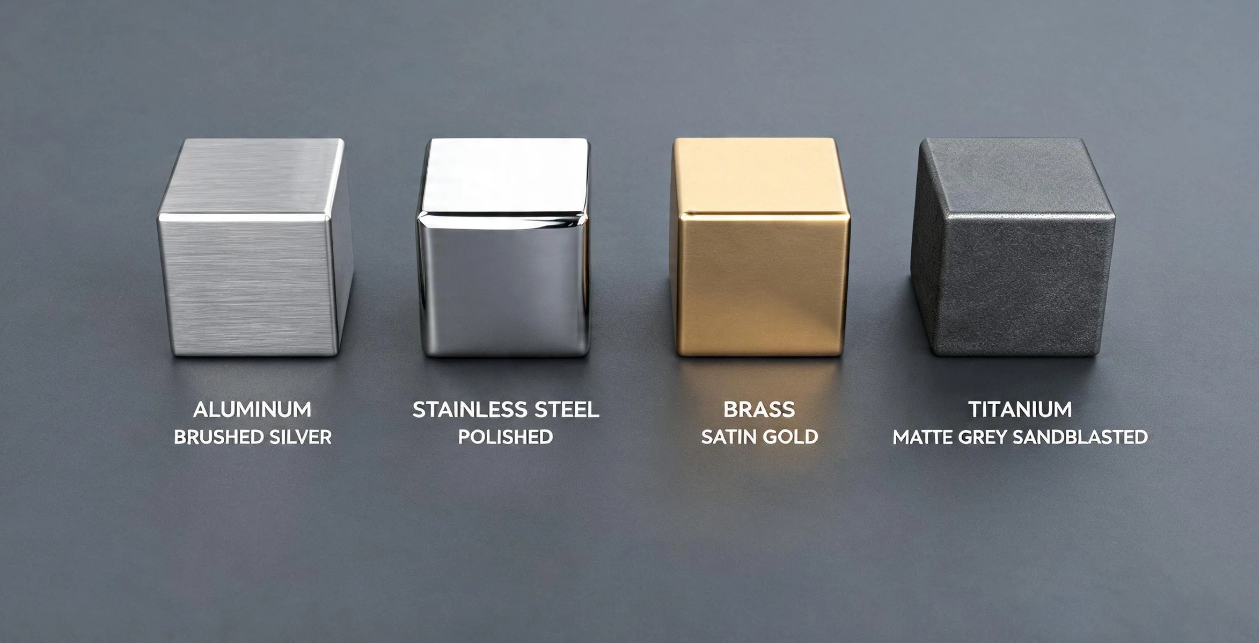
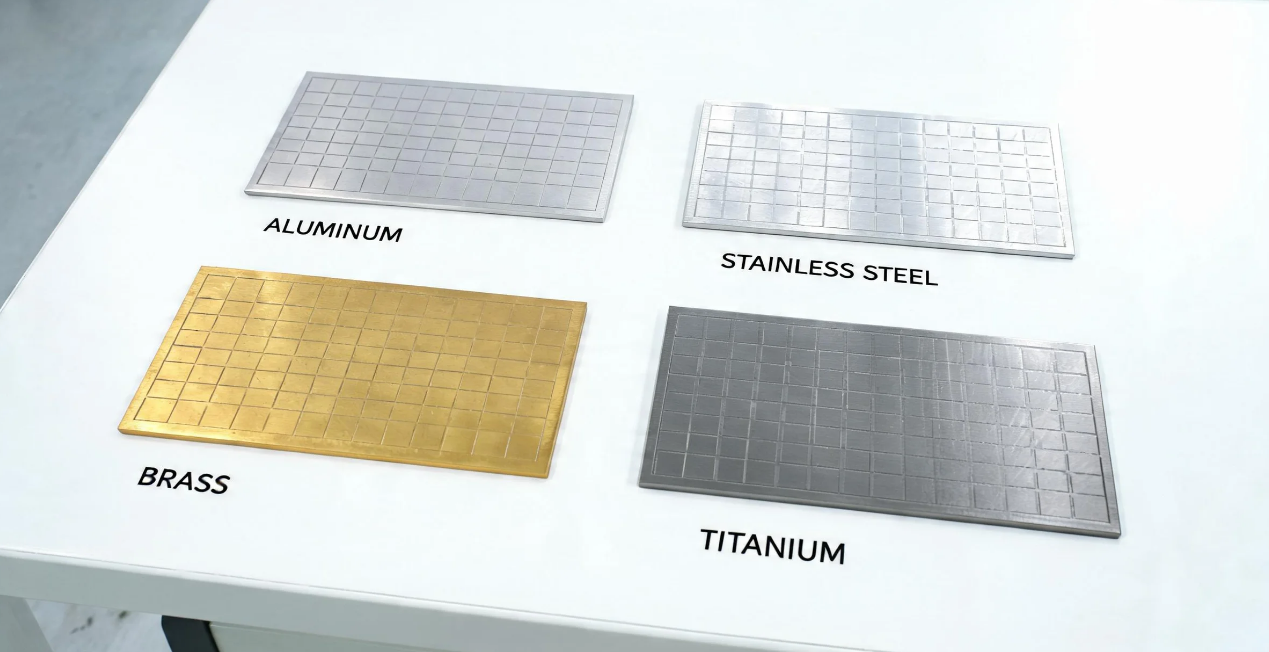
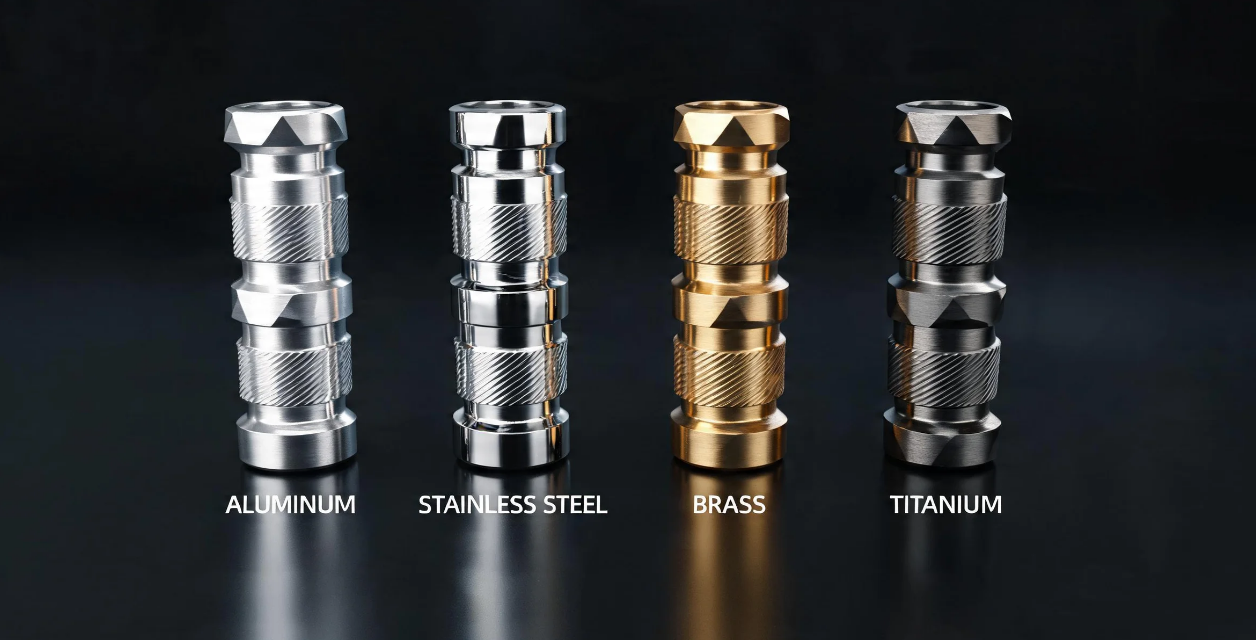
Aluminum
Aluminum is one of the most popular CNC machining materials due to its excellent machinability and lightweight properties.
Advantages
- Lightweight
- Excellent corrosion resistance
- Easy to machine
- Good strength-to-weight ratio
- Suitable for anodizing
Common Applications
- Aerospace components
- Automotive parts
- Consumer electronics
- Robotics
- Prototypes
Stainless Steel
Stainless steel offers outstanding strength and corrosion resistance, making it ideal for demanding environments.
Advantages
- High strength
- Excellent corrosion resistance
- Durable
- Heat resistant
- Attractive appearance
Common Applications
- Medical equipment
- Food processing machinery
- Marine equipment
- Industrial components
Carbon Steel
Carbon steel is widely used for structural and mechanical parts that require high strength at a lower material cost.
Advantages
- High strength
- Cost-effective
- Good wear resistance
- Easy to weld
Common Applications
- Machine frames
- Shafts
- Brackets
- Industrial machinery
Brass
Brass is well known for its excellent machinability and attractive gold-like appearance.
Advantages
- Outstanding machinability
- Corrosion resistant
- Good electrical conductivity
- Decorative finish
Common Applications
- Valves
- Plumbing fittings
- Electrical connectors
- Decorative hardware
Titanium
Titanium combines exceptional strength with low weight and superior corrosion resistance.
Advantages
- Extremely strong
- Lightweight
- Biocompatible
- Excellent corrosion resistance
Common Applications
- Aerospace
- Medical implants
- High-performance automotive parts
- Marine equipment
Common Plastics for CNC Machining
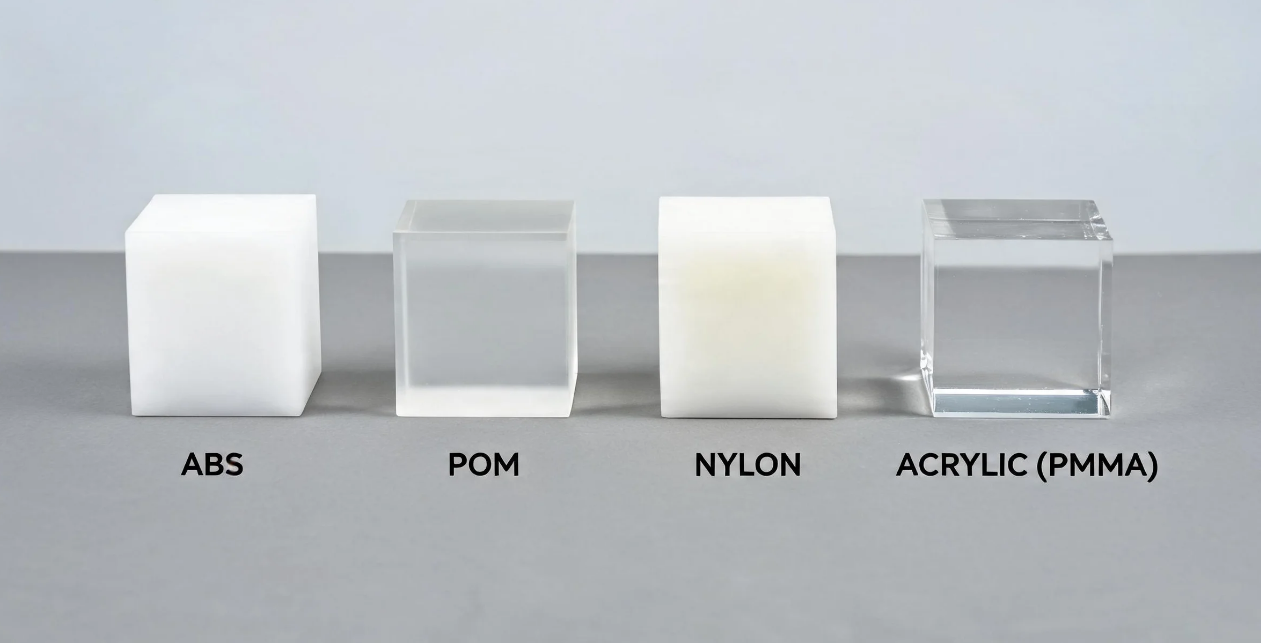
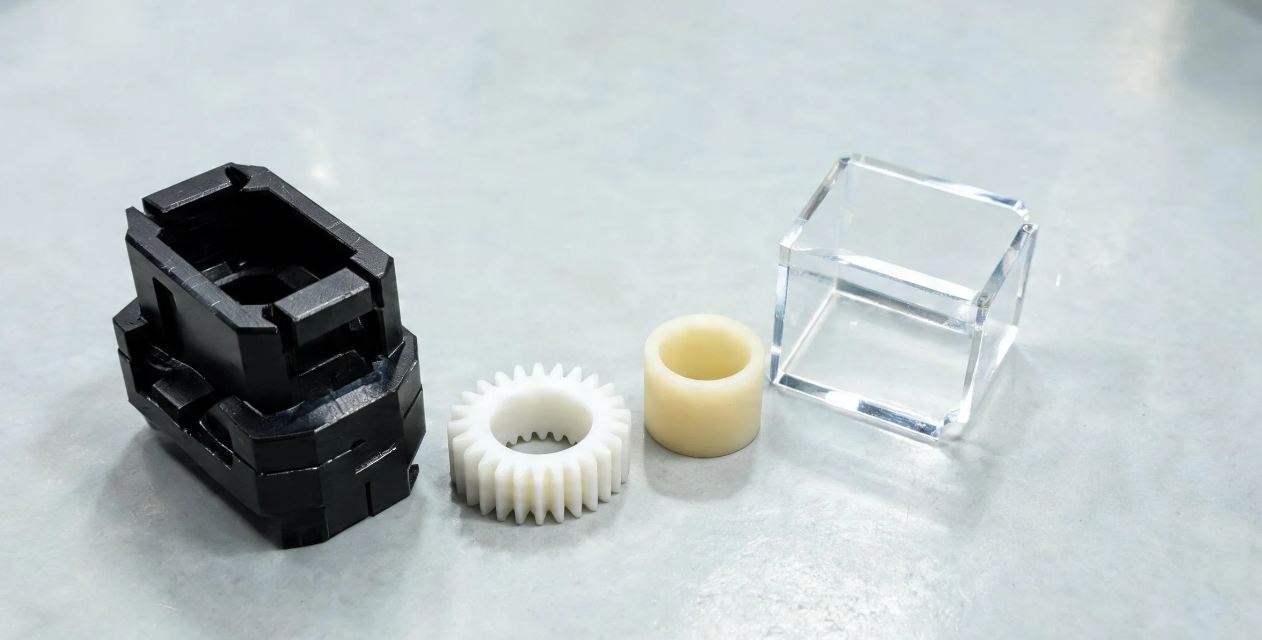
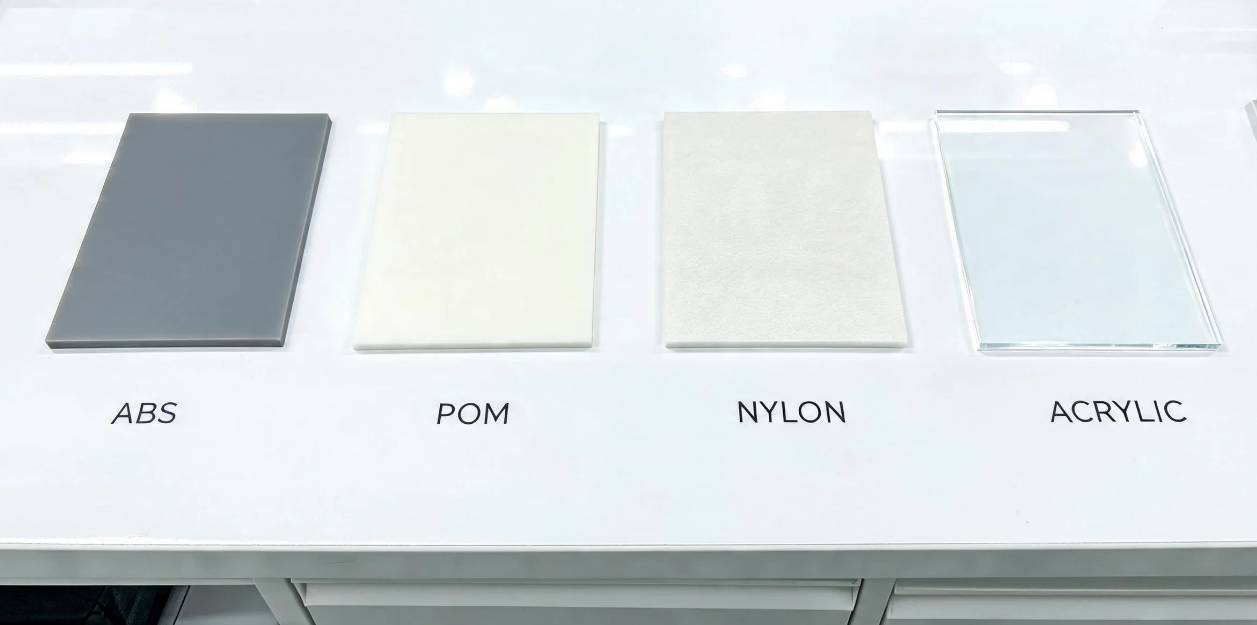
ABS
ABS is an affordable engineering plastic suitable for functional prototypes and consumer products.
Applications include:
- Electronic housings
- Consumer products
- Automotive interior parts
POM (Delrin)
POM offers excellent dimensional stability and low friction.
Applications include:
- Gears
- Bearings
- Precision mechanical parts
Nylon
Nylon is strong, lightweight, and resistant to wear.
Applications include:
- Rollers
- Bushings
- Mechanical components
Acrylic (PMMA)
Acrylic provides excellent optical clarity and weather resistance.
Applications include:
- Display panels
- Lighting components
- Transparent covers
Material Comparison
| Material | Strength | Weight | Corrosion Resistance | Machinability | Cost |
|---|---|---|---|---|---|
| Aluminum | High | Light | Excellent | Excellent | $$ |
| Stainless Steel | Very High | Heavy | Excellent | Good | $$$ |
| Carbon Steel | High | Heavy | Moderate | Good | $$ |
| Brass | Medium | Medium | Good | Excellent | $$$ |
| Titanium | Excellent | Light | Excellent | Moderate | $$$$ |
| ABS | Medium | Very Light | Excellent | Excellent | $ |
| POM | High | Light | Excellent | Excellent | $$ |
| Nylon | High | Light | Good | Good | $$ |
How to Choose the Right Material
When selecting a CNC machining material, consider the following questions:
What is the operating environment?
Will the part be exposed to:
- Moisture?
- Chemicals?
- High temperatures?
- Outdoor conditions?
Environmental factors often determine whether corrosion-resistant materials like stainless steel or aluminum are required.
What mechanical properties are needed?
Consider:
- Tensile strength
- Hardness
- Wear resistance
- Impact resistance
- Fatigue life
Different applications require different performance characteristics.
Is weight important?
For aerospace, robotics, drones, and portable devices, lightweight materials such as aluminum or titanium may be preferred.
What is your budget?
Higher-performance materials usually increase manufacturing costs.
Whenever possible, choose a material that meets performance requirements without unnecessary expense.
Material Selection Tips
To optimize your project:
- Select materials based on functional requirements rather than appearance.
- Consider both machining cost and raw material cost.
- Choose standard material grades whenever possible.
- Discuss material options with your manufacturer before production begins.
Early material selection helps reduce lead time and avoid costly redesigns.
How We Can Help
At KG Precise, we provide CNC machining services for a wide range of metals and engineering plastics. Our engineering team can recommend the most suitable material based on your product’s application, performance requirements, and budget.
Whether you need prototype parts or low-volume production, we help ensure every project starts with the right material choice.
Conclusion
Material selection is one of the key factors influencing the success of a CNC machining project. By understanding the strengths and limitations of different metals and plastics, manufacturers can improve product quality while controlling production costs.
If you’re unsure which material is best for your design, our experienced team is ready to help you choose the optimal solution.