(+035) 527-1710-70
 NEWSLETTER


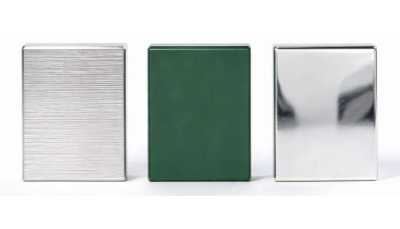
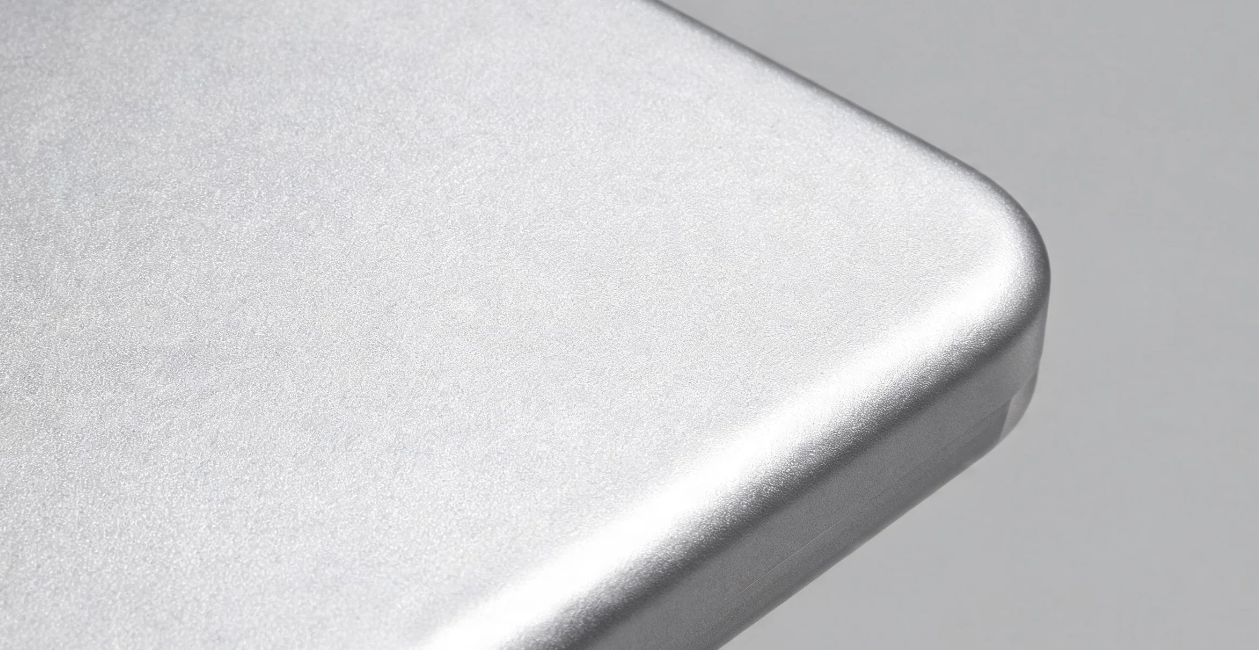
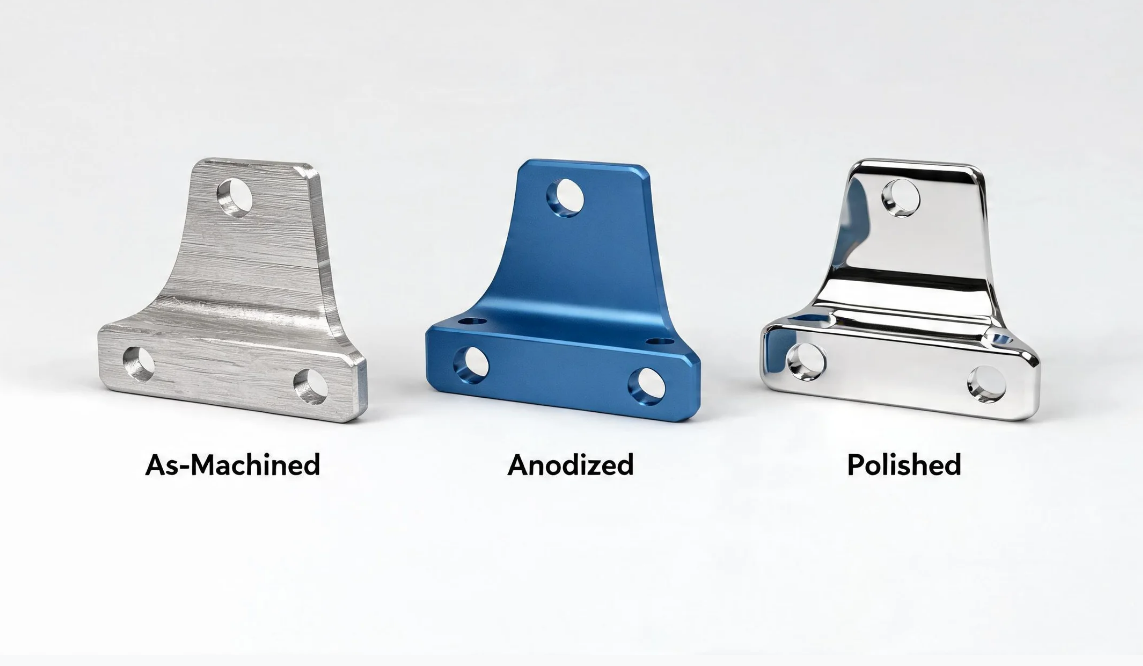
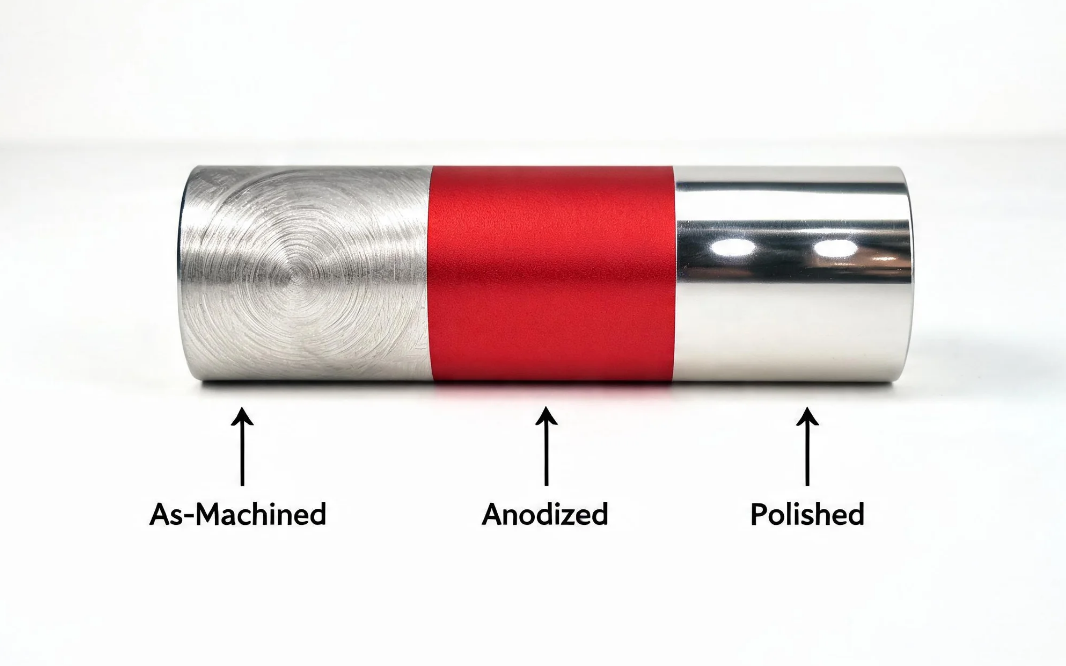
When manufacturing precision CNC machined parts, the final appearance and performance of a component depend on more than just dimensional accuracy. Surface finish plays a critical role in corrosion resistance, wear resistance, aesthetics, and overall product quality.
Whether you’re producing prototype parts or low-volume production components, selecting the appropriate surface finish can improve both functionality and cost-effectiveness.
In this guide, we’ll explain the most common CNC surface finishes, their advantages, and how to choose the best option for your project.
What Is Surface Finish?
Surface finish refers to the texture and appearance of a machined part after manufacturing. It includes the roughness, smoothness, and any additional treatment applied after CNC machining.
Some parts are used directly after machining, while others require secondary finishing processes to improve appearance, durability, or performance.
Surface finishing can also help protect parts from corrosion, reduce friction, and enhance paint or coating adhesion.
Why Is Surface Finish Important?
Choosing the right surface finish provides several benefits:
- Improves corrosion resistance
- Enhances wear resistance
- Creates a better cosmetic appearance
- Reduces surface roughness
- Improves assembly performance
- Increases product lifespan
The appropriate finish depends on the material, application, and design requirements.
Common CNC Surface Finishes
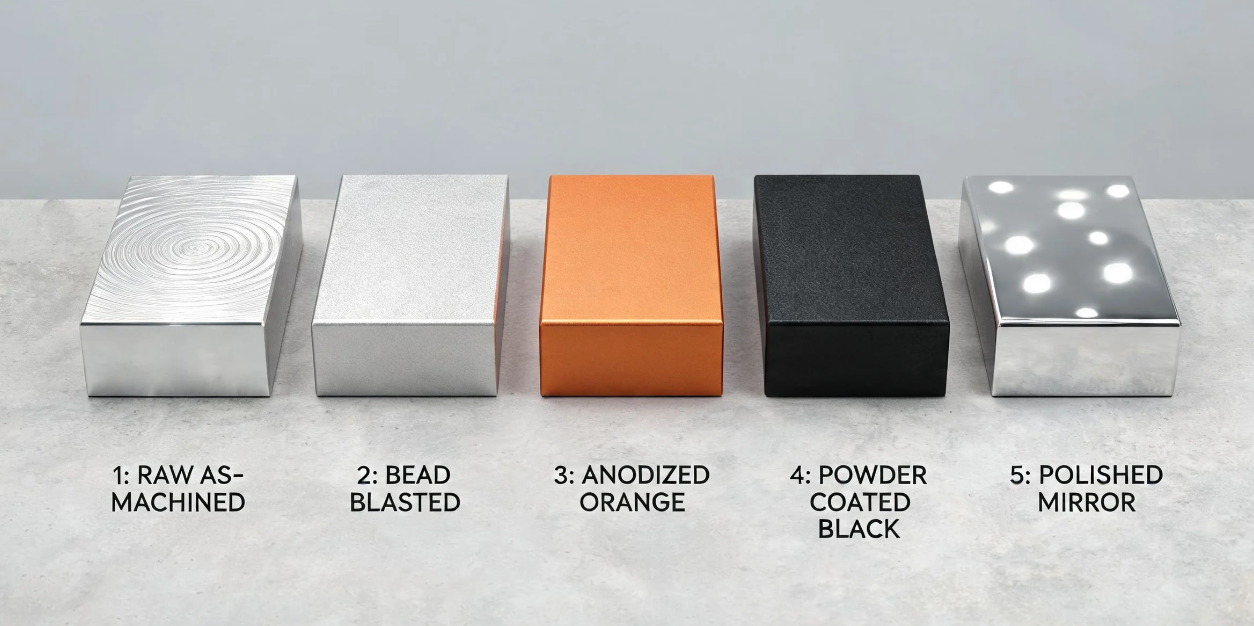
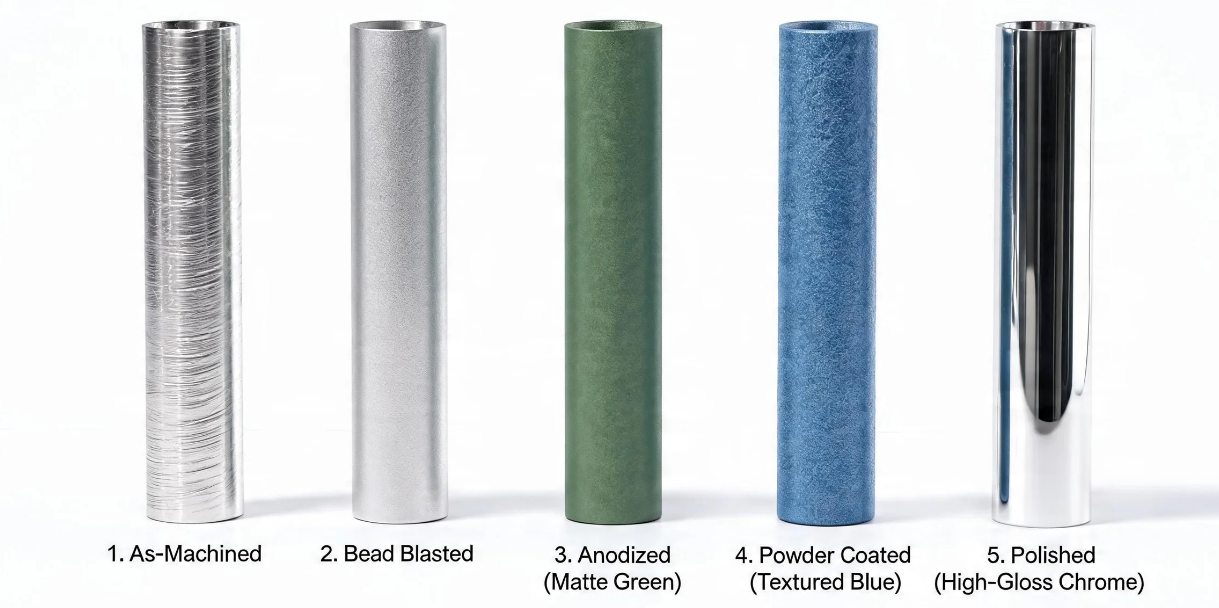
1. As-Machined Finish
The as-machined finish is the default surface directly from the CNC machine.
Characteristics:
- Visible tool marks
- Cost-effective
- Fastest production
- Suitable for functional components
Typical applications:
- Internal mechanical parts
- Fixtures
- Prototypes
- Industrial equipment
2. Bead Blasting
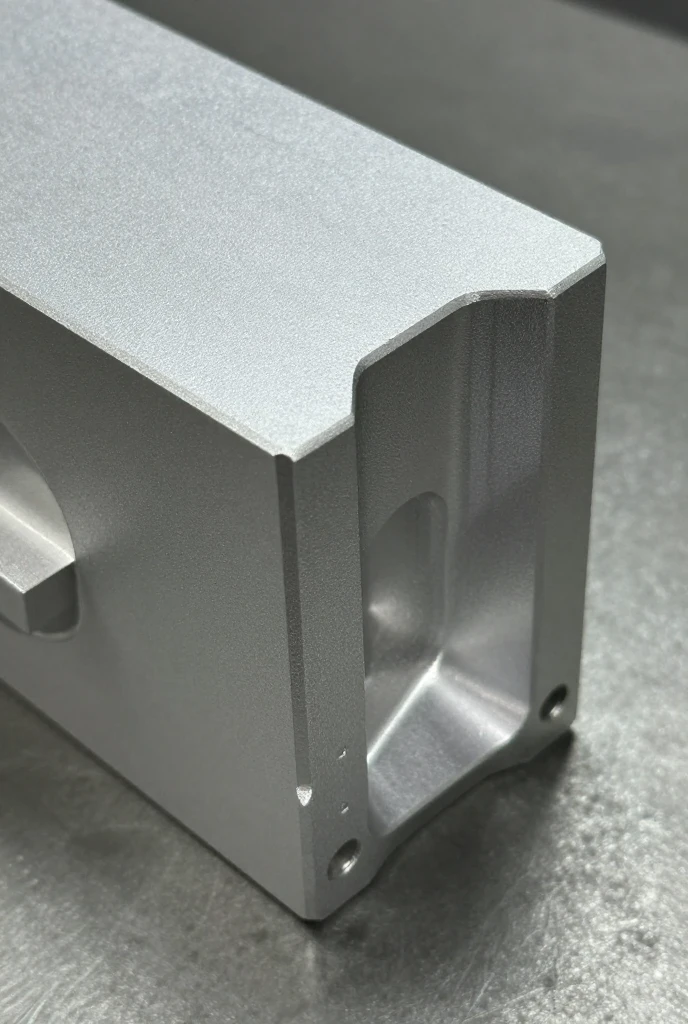
Bead blasting uses fine glass beads to create a uniform matte appearance.
Advantages:
- Removes machining marks
- Produces a consistent texture
- Improves appearance
- Prepares parts for anodizing
Common materials:
- Aluminum
- Stainless steel
- Titanium
3. Anodizing
Anodizing is one of the most popular finishes for aluminum CNC parts.
Benefits include:
- Excellent corrosion resistance
- Increased surface hardness
- Attractive appearance
- Available in multiple colors
- Improved wear resistance
Applications:
- Consumer electronics
- Automotive components
- Aerospace parts
- Industrial products
4. Powder Coating
Powder coating applies a durable protective coating to metal surfaces.
Advantages:
- Thick protective layer
- Excellent weather resistance
- Wide range of colors
- Scratch-resistant
- Long service life
Ideal for outdoor products and industrial equipment.
5. Polishing
Polishing creates a smooth, reflective surface.
Benefits:
- High-gloss appearance
- Reduced friction
- Easier cleaning
- Premium visual quality
Often used for:
- Medical devices
- Decorative products
- Consumer goods
- Optical components
How to Choose the Right Surface Finish
Selecting the appropriate finish depends on several factors.
Material
Different materials support different finishing methods.
For example:
- Aluminum is ideal for anodizing.
- Stainless steel is commonly polished or bead blasted.
- Steel is often powder coated or painted.
Product Function
Consider the working environment.
Questions to ask include:
- Will the part be exposed to moisture?
- Is wear resistance important?
- Does the part require electrical insulation?
- Is appearance a priority?
Cost
Some finishing processes require additional equipment and labor.
Generally:
- As-machined is the lowest-cost option.
- Bead blasting adds moderate cost.
- Anodizing and powder coating increase overall manufacturing cost.
- Polishing is often the most labor-intensive.
Choosing only the necessary finish helps reduce production expenses.
Surface Finish Comparison
| Surface Finish | Appearance | Corrosion Resistance | Wear Resistance | Cost |
|---|---|---|---|---|
| As-Machined | Visible tool marks | Low | Medium | Low |
| Bead Blasting | Matte | Medium | Medium | Low-Medium |
| Anodizing | Smooth / Colored | Excellent | Excellent | Medium |
| Powder Coating | Colored | Excellent | Excellent | Medium-High |
| Polishing | Mirror Finish | Medium | Medium | High |
Tips for Designers
To achieve better manufacturing results:
- Specify surface finish only where necessary.
- Match the finish to the product’s operating environment.
- Consider both aesthetics and functionality.
- Consult your manufacturer during the design stage.
- Avoid unnecessary secondary finishing processes that increase cost.
How We Can Help
At KG Precise, we provide a wide range of surface finishing options alongside precision CNC machining services.
Our engineering team can recommend the most suitable finish based on your material, application, and budget. Whether you need prototype components or low-volume production, we help deliver parts that meet both functional and cosmetic requirements.
Conclusion
Surface finish is an essential part of CNC manufacturing. The right finishing process improves durability, appearance, and overall product performance while ensuring cost-effective production.
By understanding the advantages of each finishing method, you can select the best solution for your application and achieve higher-quality machined parts.
If you’re unsure which finish is right for your project, contact our engineering team for expert guidance and a customized manufacturing solution.