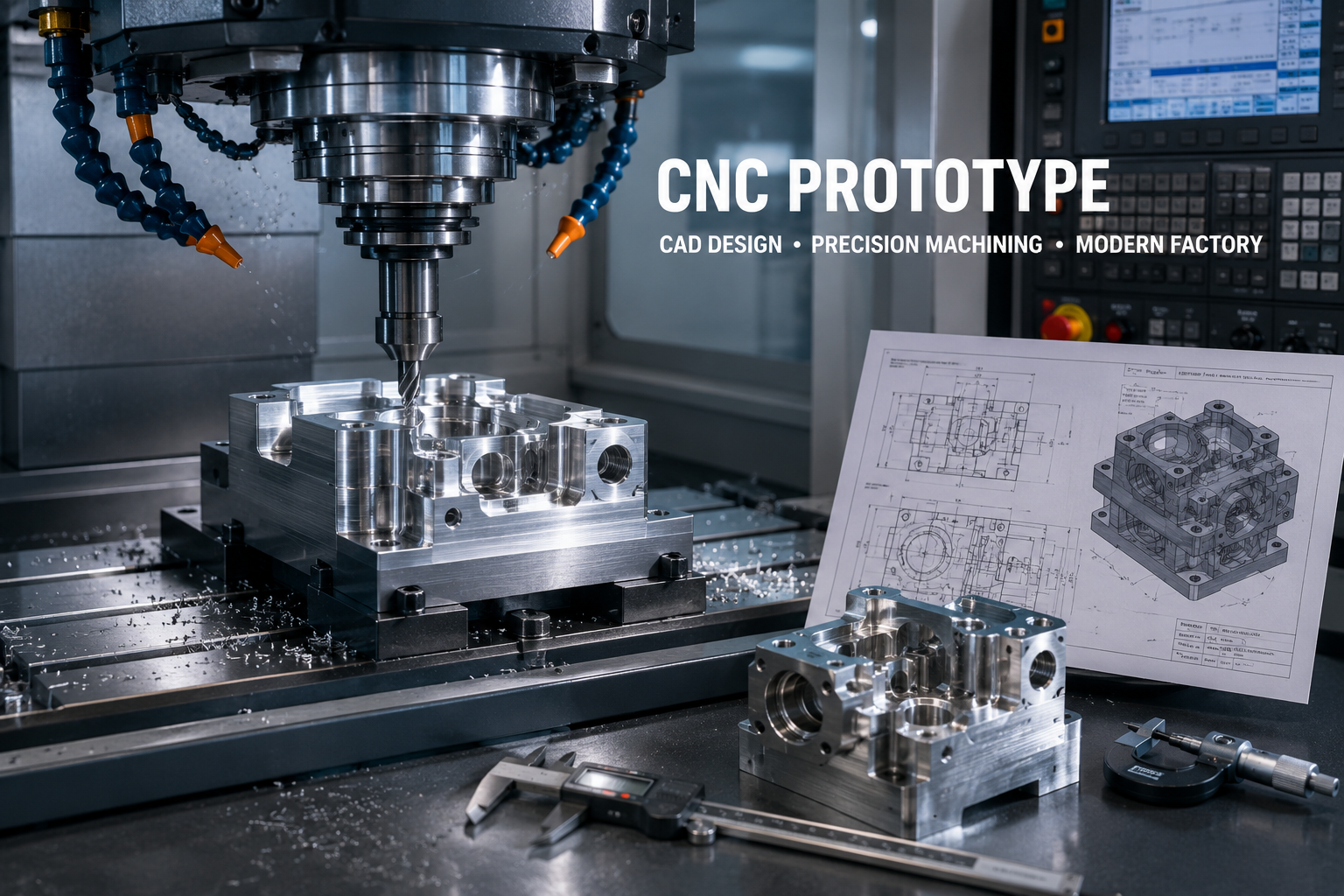
Surface Finishing Services

  • High-quality finishes boost aesthetics and functionality, regardless of the manufacturing method
  • Our expert finishing brings your metal, composite, or plastic parts to life
  • Fast, precise finishing ensures parts meet specs and speeds up your timeline

Capabilities for Our Surface Finishing Services

Our surface finishing services offer comprehensive solutions for better products’ performance, and appearance. Here’s what you can expect:

Anodizing

Anodizing is an electrochemical process that creates a oxide layer providing strength, hardness, and corrosion resistance, and color options for your metal parts
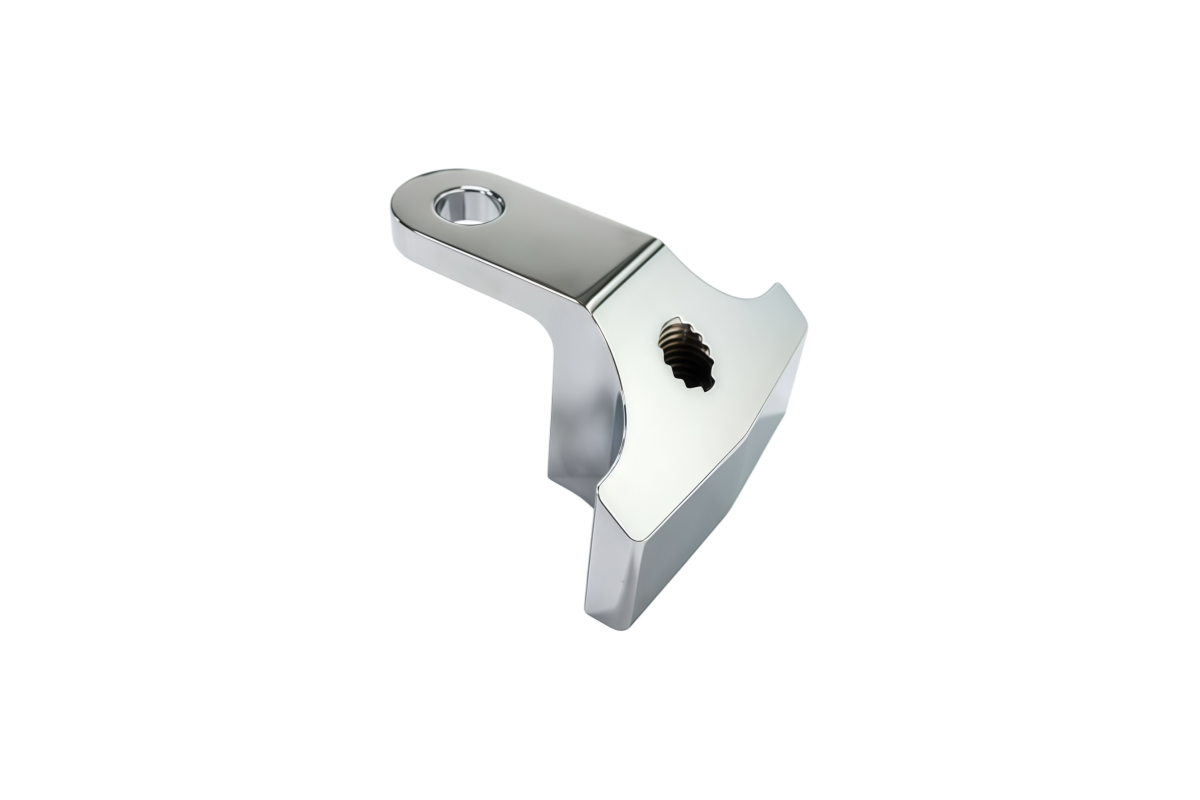
Electroplating

Electroplating involves the electrolytic addition of a thin layer of metal on a workpiece for better functional or aesthetics attributes.
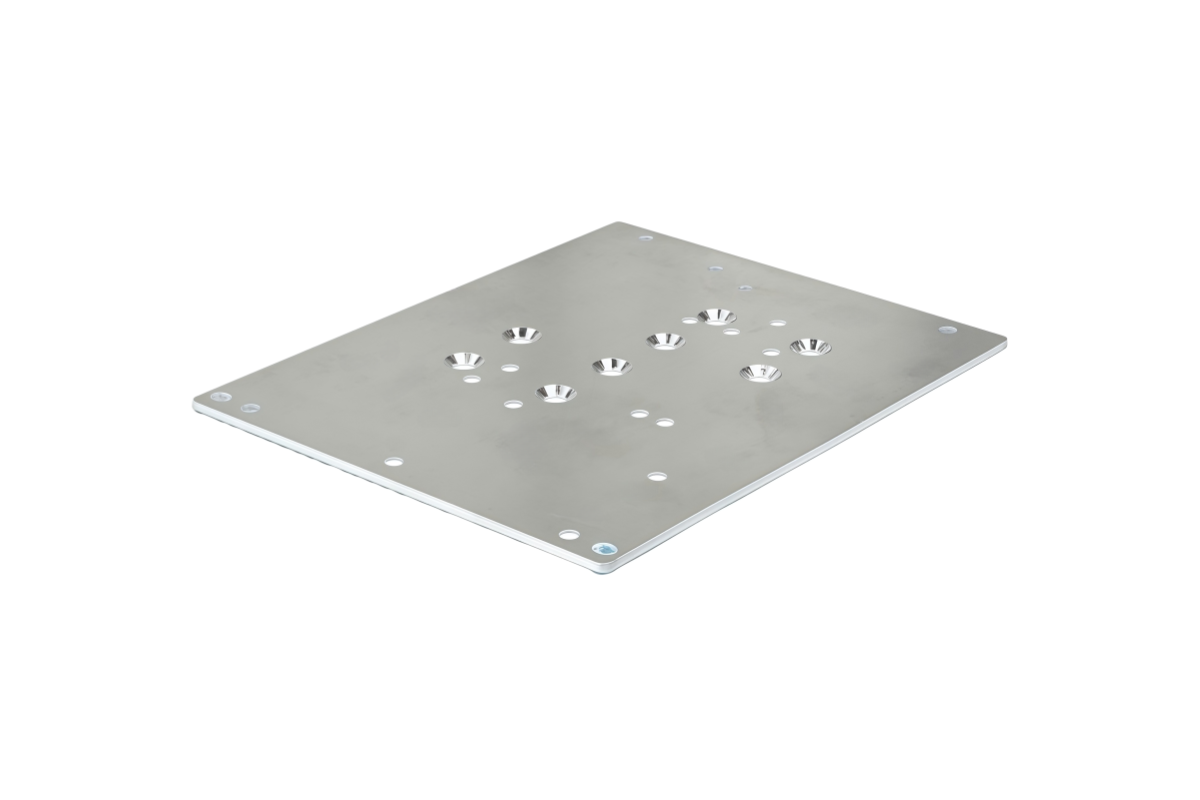
Polishing

Polishing involves using an abrasive material to create a shiny, mirror-like finish on metals like steel and aluminum
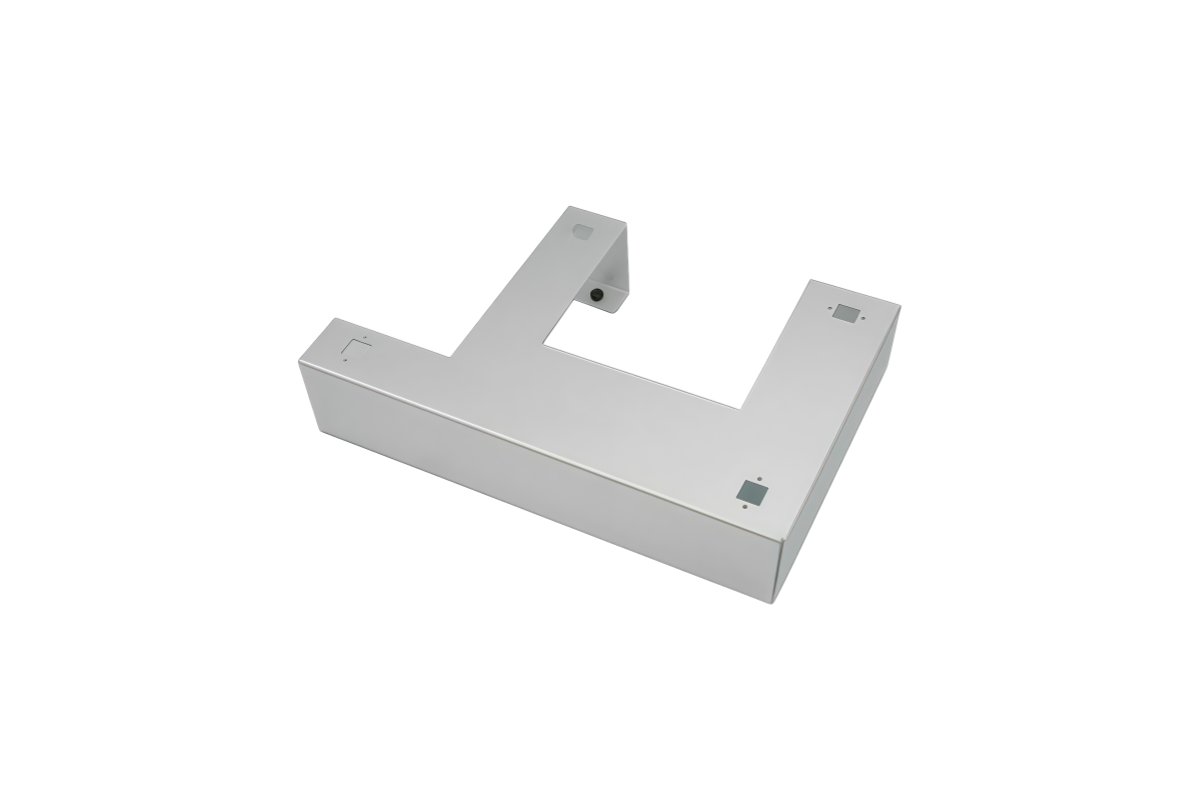
Plating

Plating involves adding a layer of metal like zinc, chrome, or copper, on a workpiece for better functionality such as corrosion resistance and aesthetics due to the numerous color option.
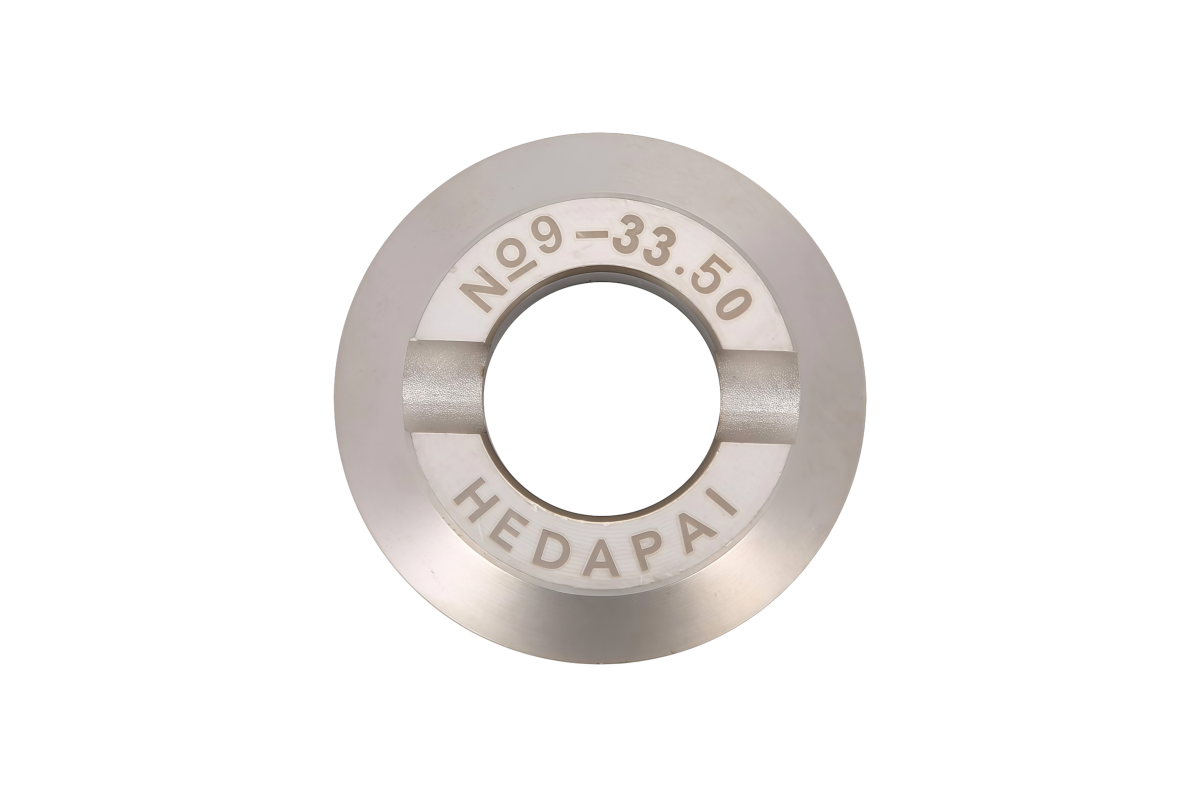
Laser Etching

Laser etching is a marking system that creates permanent marks on metals or plastics by using laser beam to raise the surface of the materials.
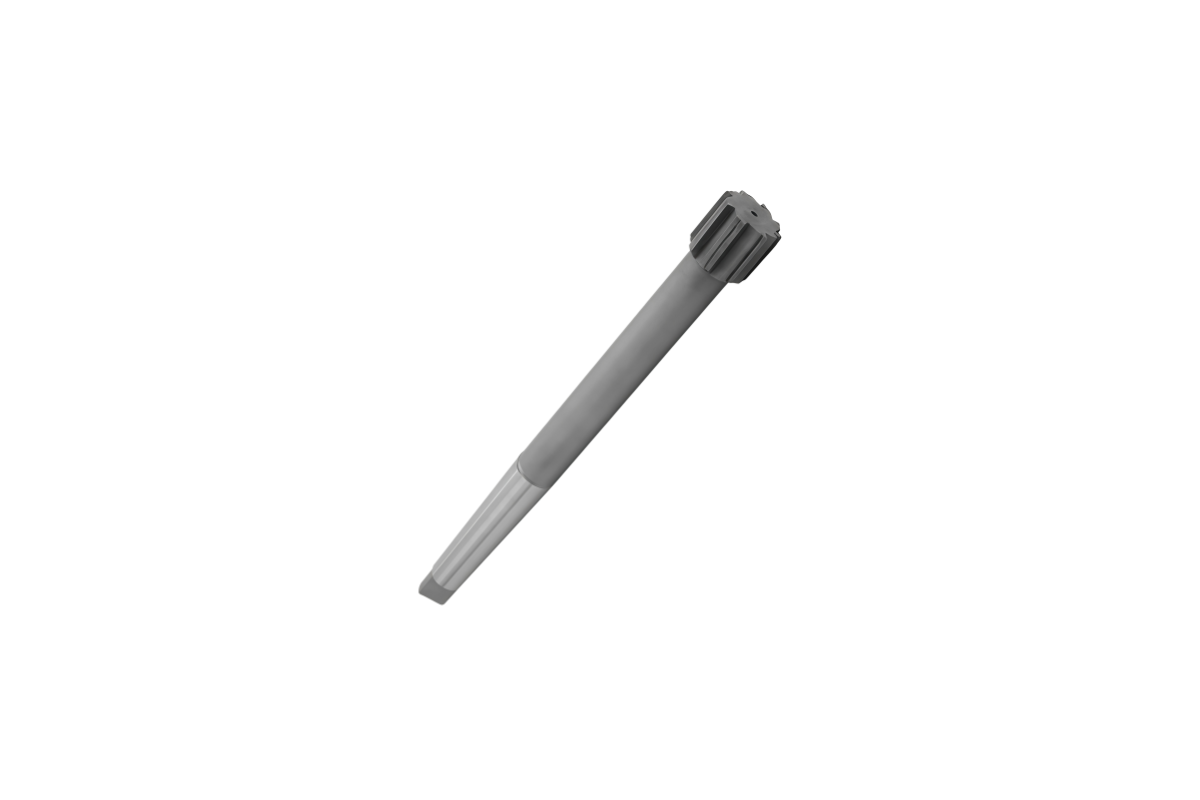
Heat Treatment

Heat treatment involves heating a metal to a specific temperature to boost its strength, hardness, and wear resistance, improving performance in harsh environments
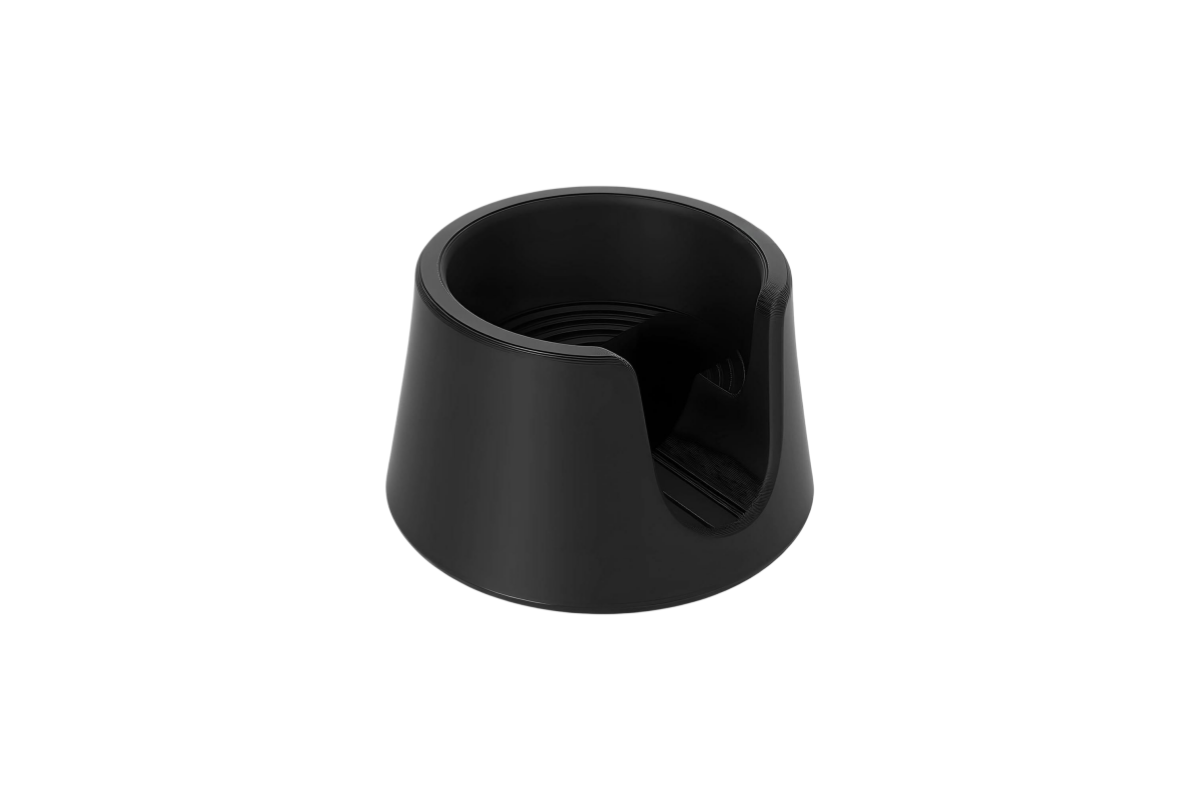
Black Oxide

Black oxide is a chemical conversion coating for ferrous materials that creates a black finish on parts providing corrosion resistance without dimensional changes.
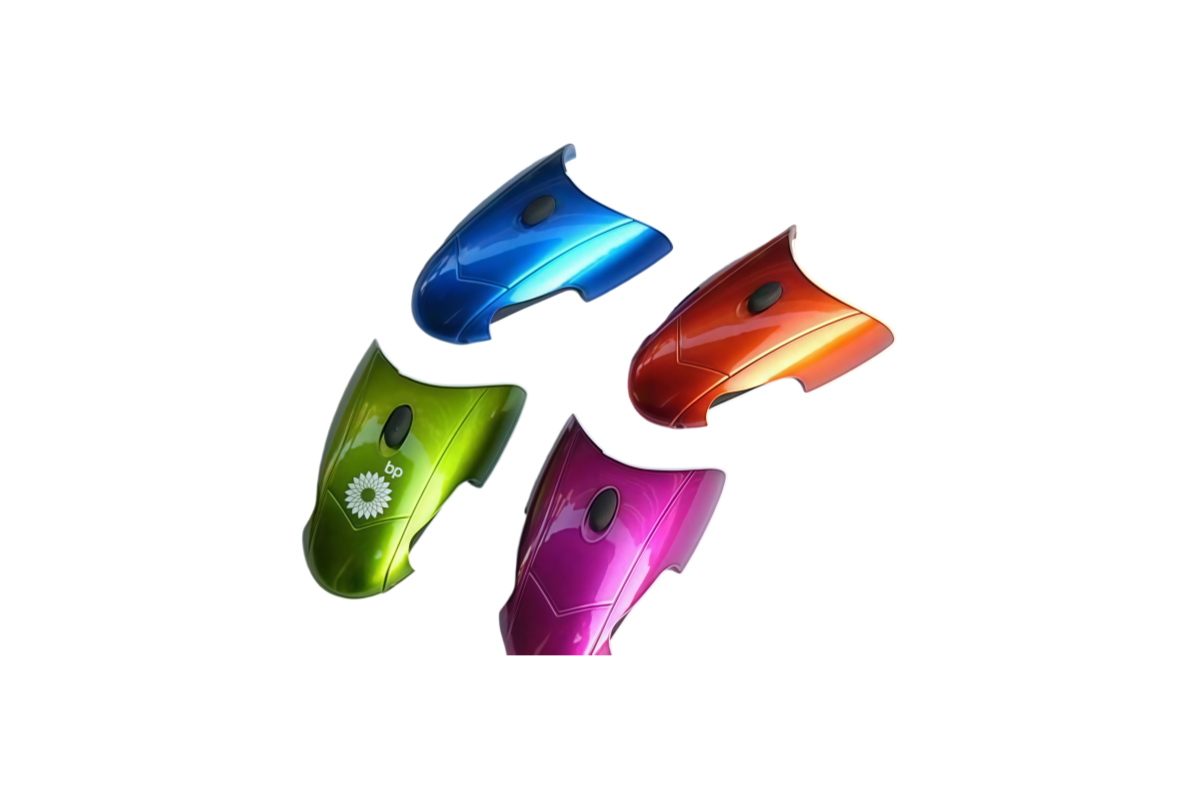
Painting

Our industrial painting services uses advanced coating materials and a well-curated painting process to improve functions and aesthetics.
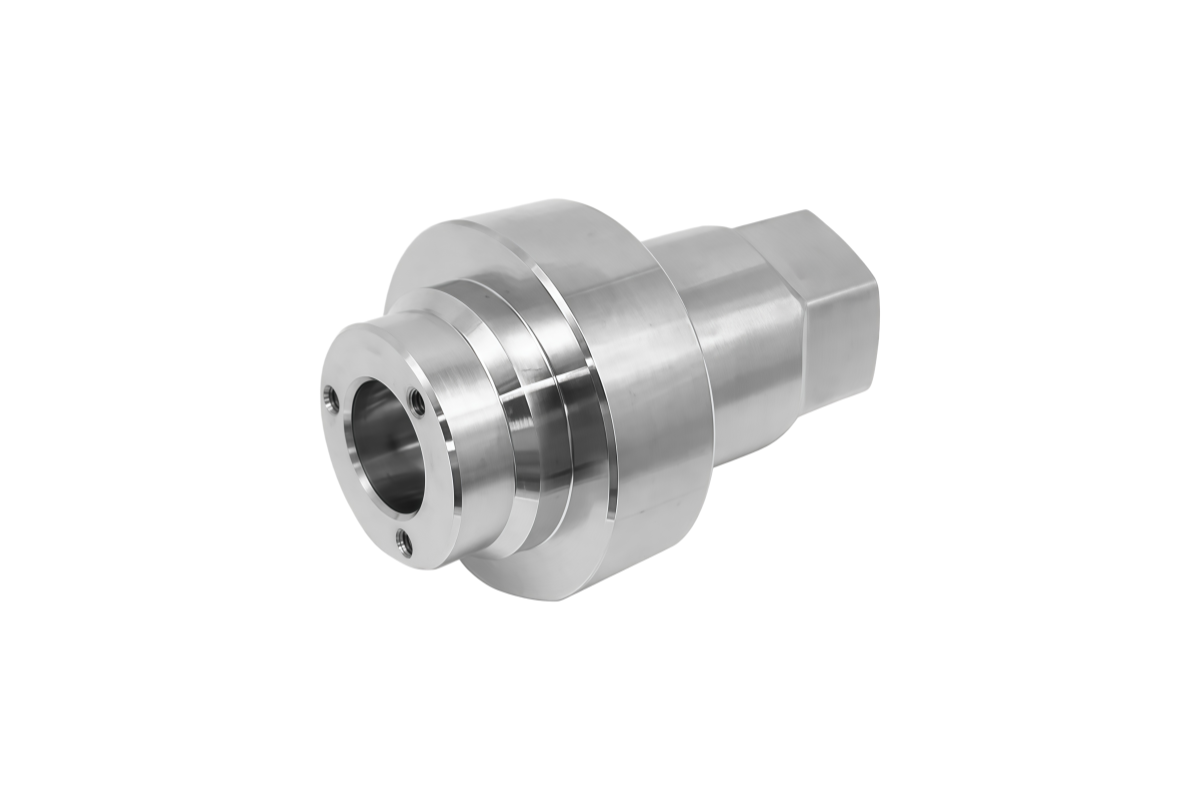
Passivation

Passivation cleans stainless steel, adding a protective oxide layer for better corrosion resistance and durability in tough environments.
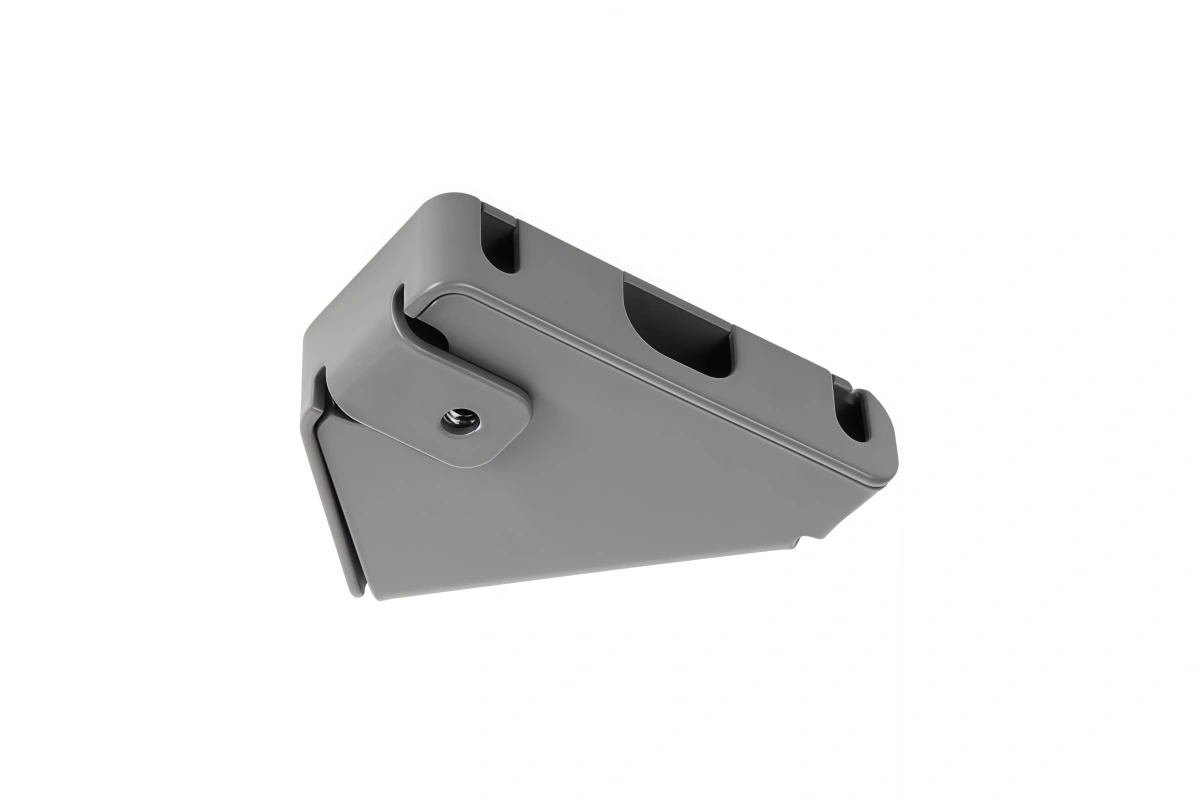
Powder Coating

Powder coating applies a tough, wear-resistant finish to parts, ideal for outdoor gear and machinery. It comes in various colors and offers excellent protection.
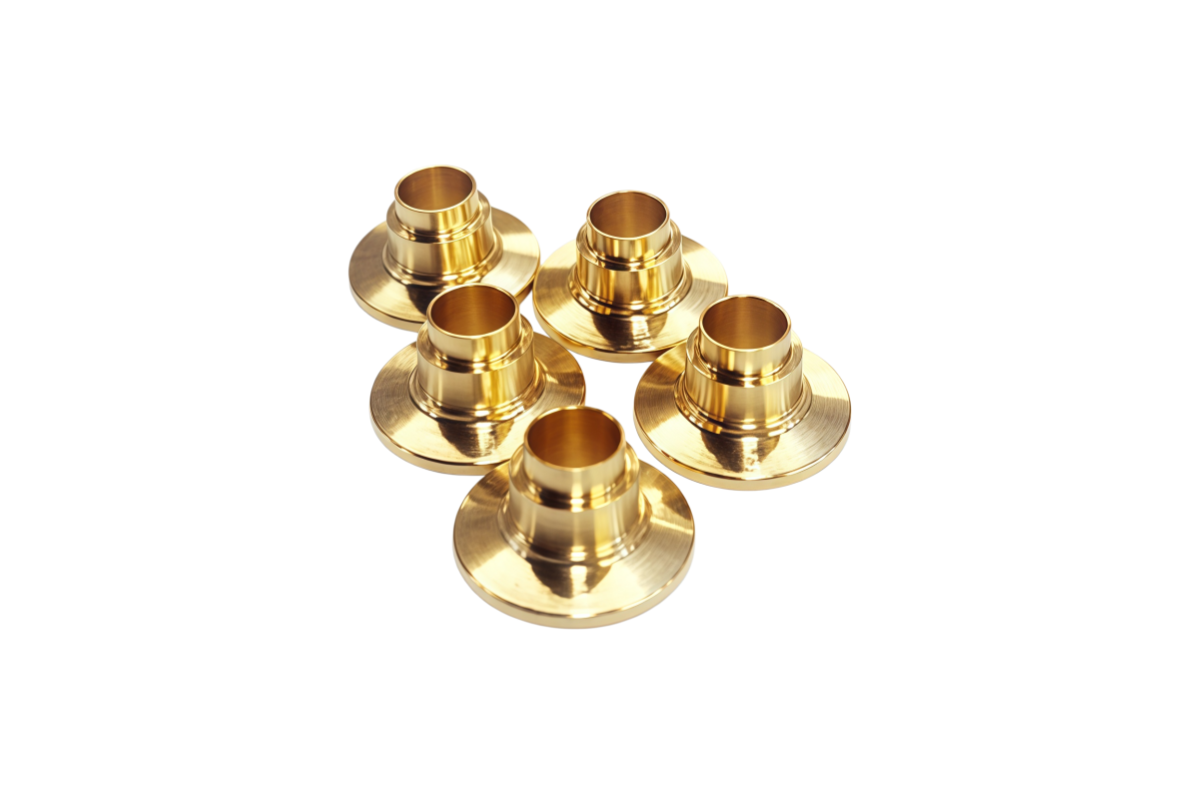
Gold Plating

Enhances conductivity, corrosion resistance, and aesthetics, commonly used in electronics and luxury items.
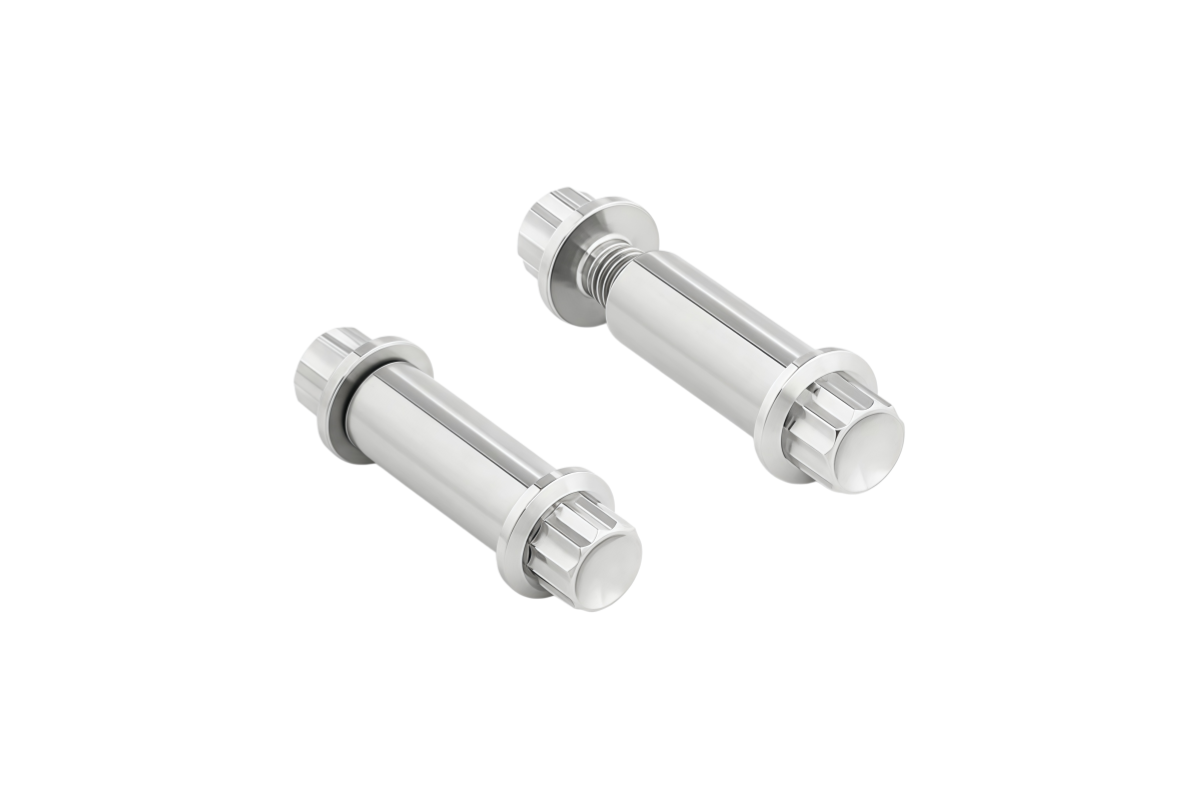
Silver Plating

Provides high conductivity and antibacterial properties, ideal for electrical and medical applications.
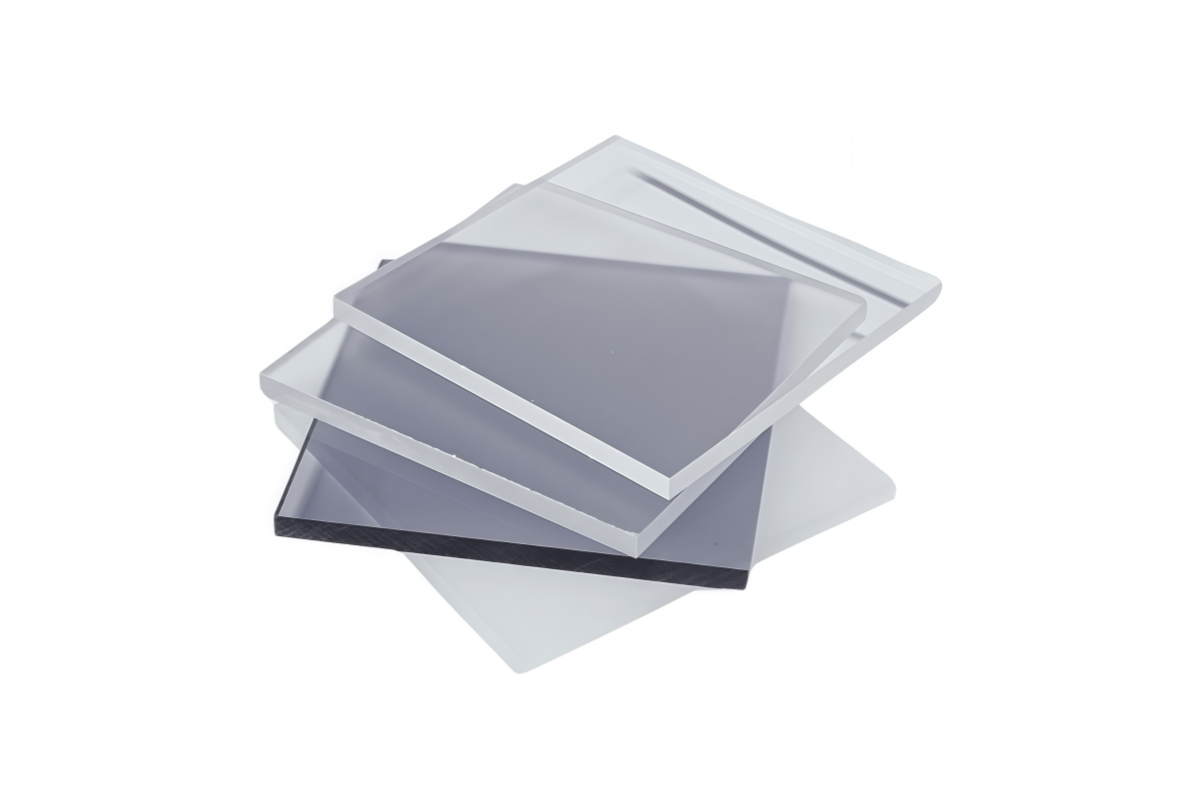
Fumigation Transparent Coating

A protective transparent layer to enhance durability and surface clarity.
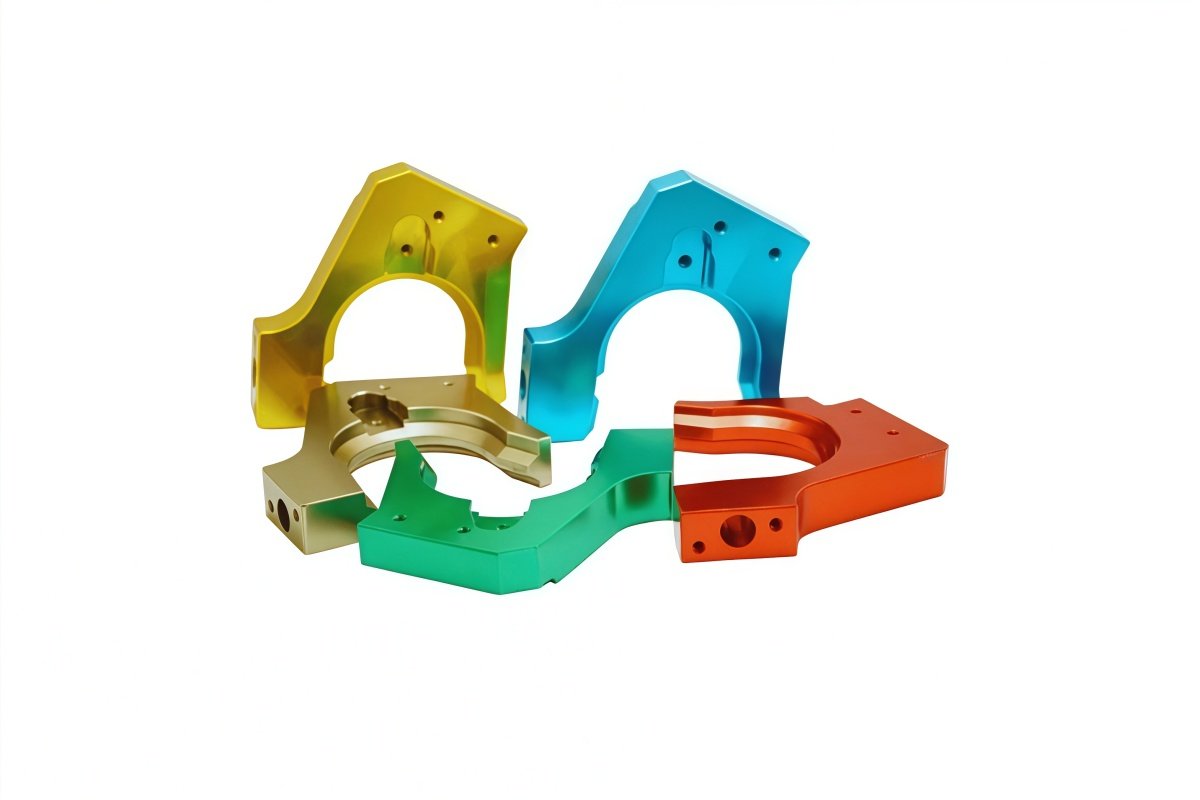
Colored Anodizing

Adds corrosion resistance and aesthetic appeal with various colors, commonly applied to aluminum parts.
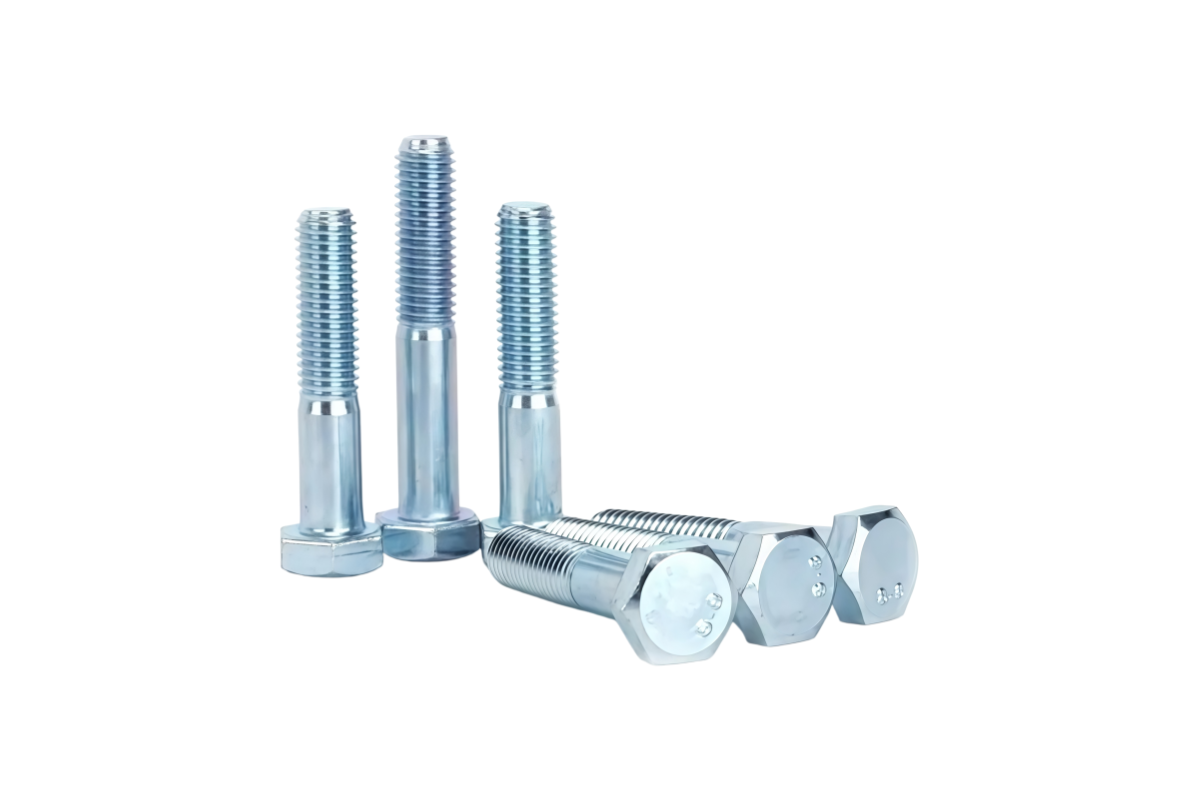
Zinc Plating

Protects steel from corrosion with a thin zinc layer, often used in automotive and construction.
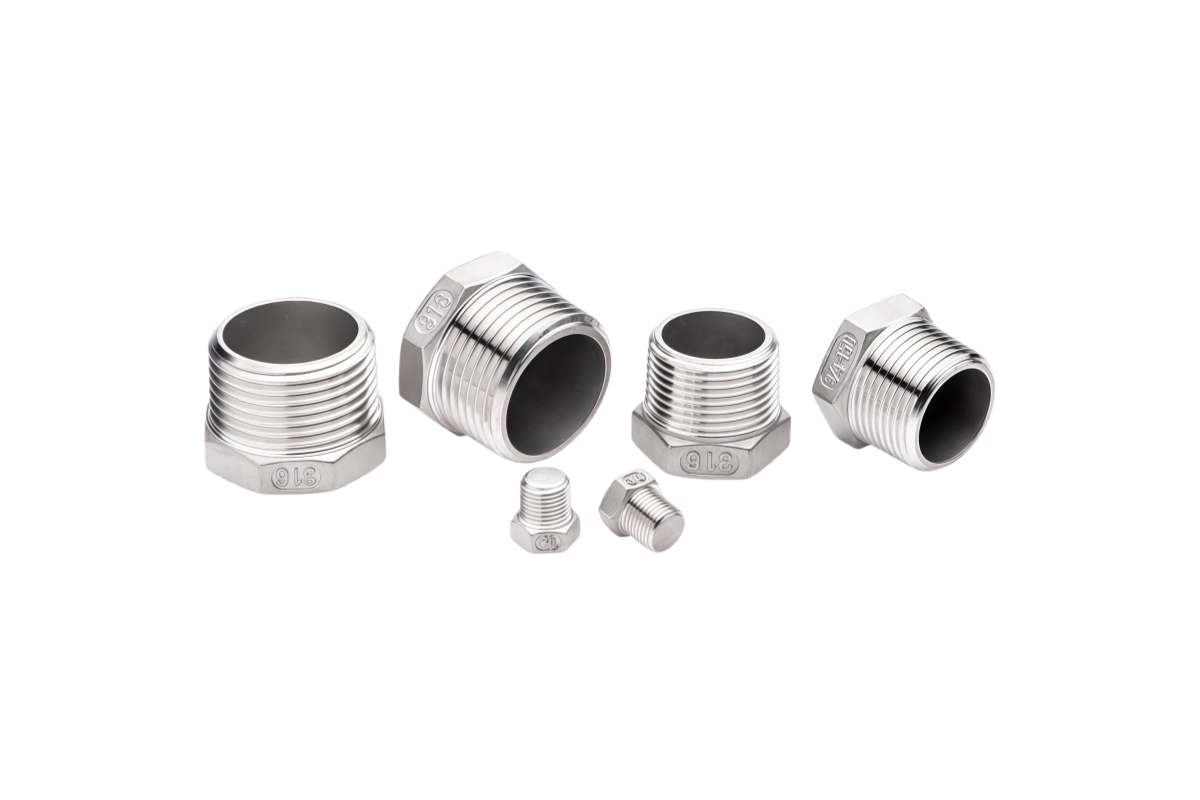
Nickel Plating

Improves wear resistance, hardness, and corrosion protection, widely used in mechanical and electronic components.
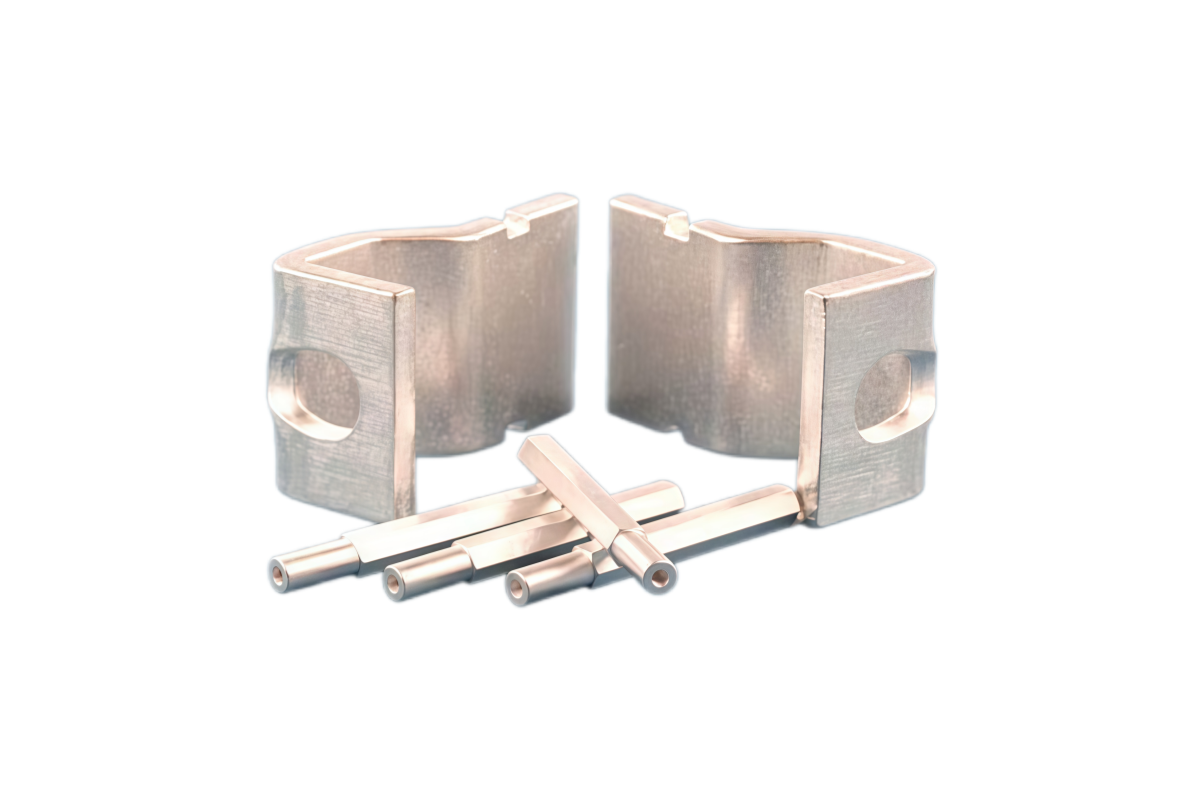
Tin Plating

Prevents oxidation, enhances solderability, and is commonly applied to electronic connectors.
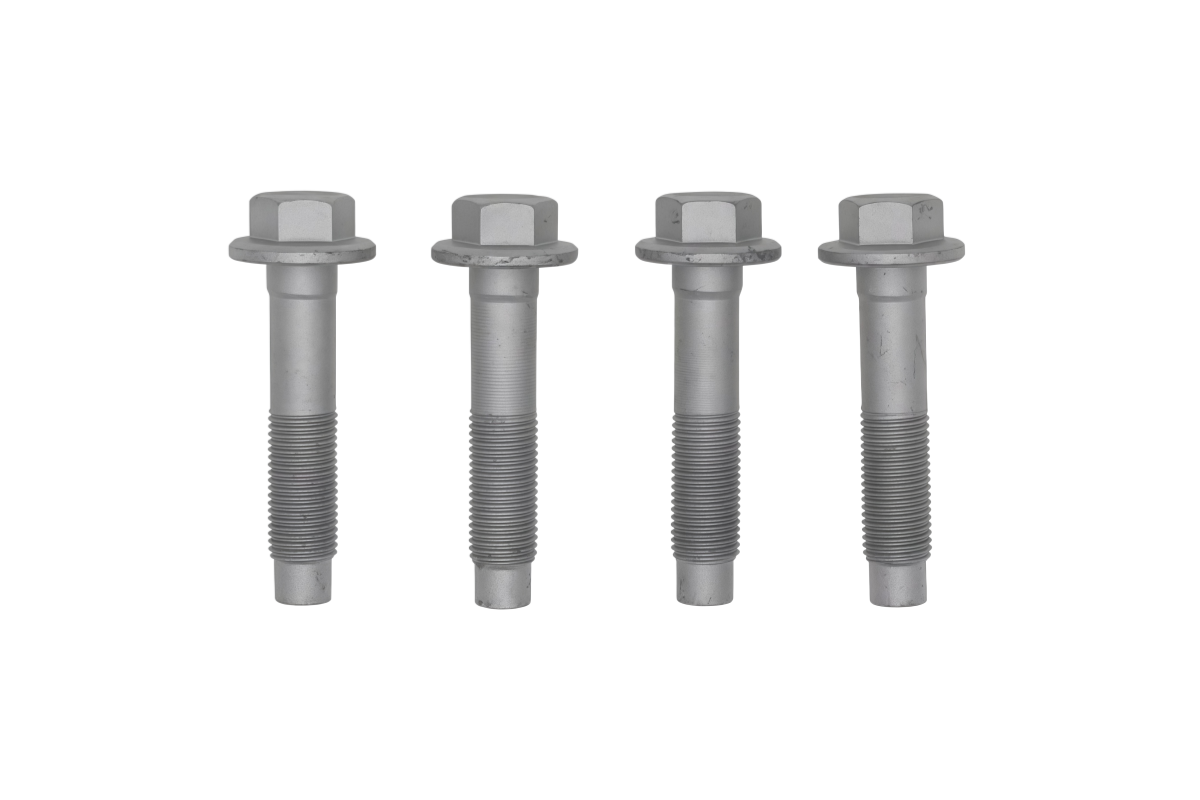
Zinc-Nickel Alloy Plating

Offers superior corrosion resistance and durability, widely used in automotive and aerospace industries.
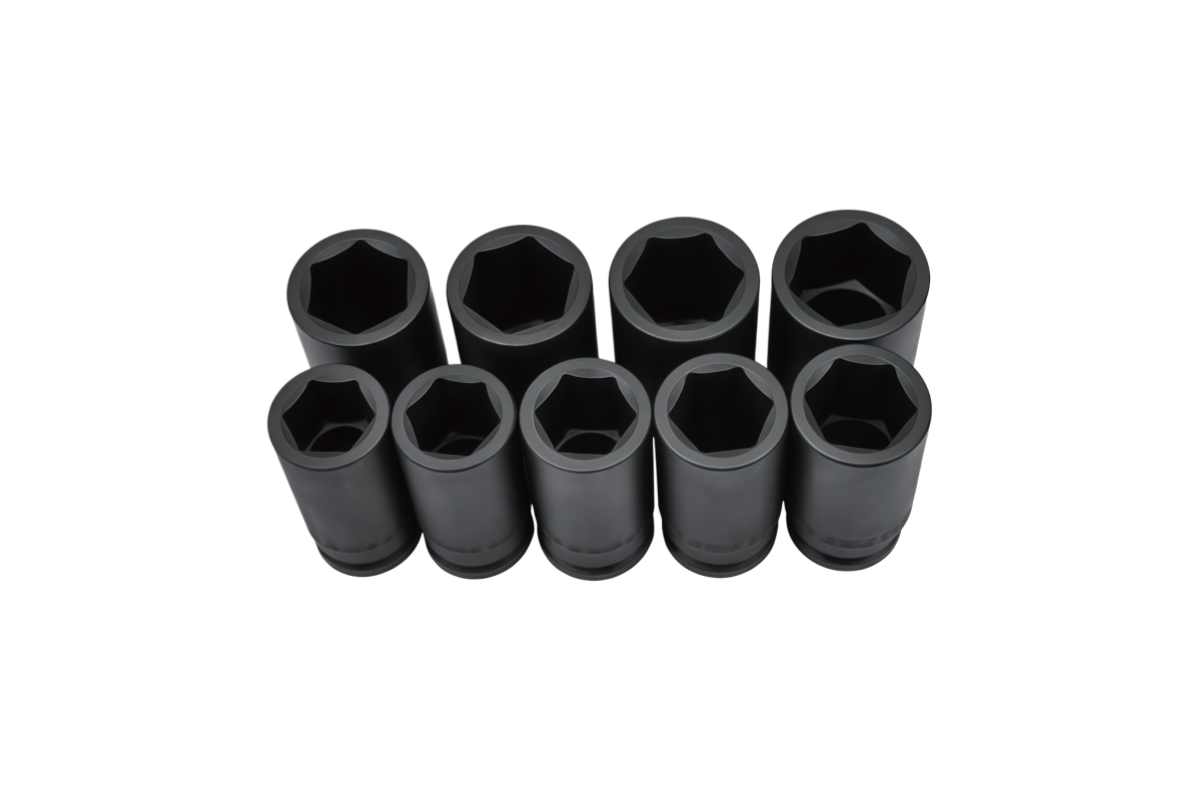
QPQ (Quench-Polish-Quench)

A surface hardening process that improves wear and corrosion resistance, used for precision components.
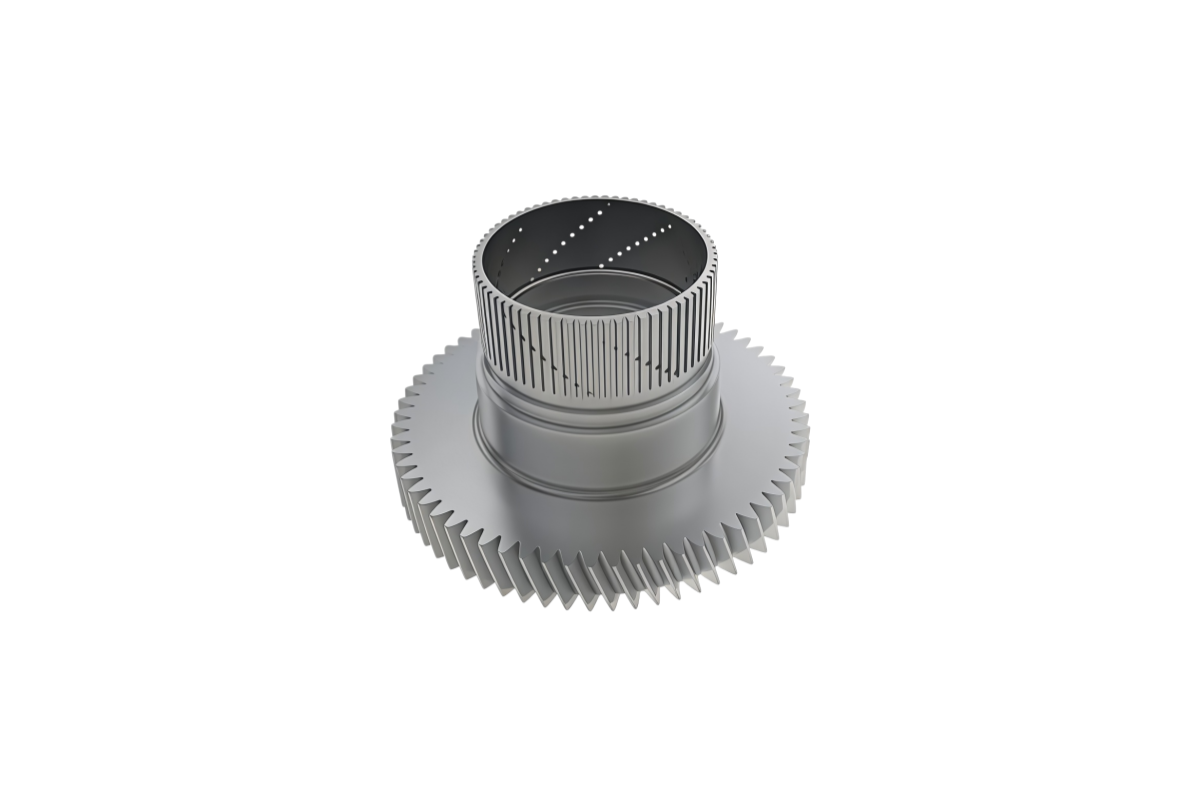
Plasma Nitriding

Enhances hardness and fatigue strength by diffusing nitrogen into the surface, ideal for high-performance applications.
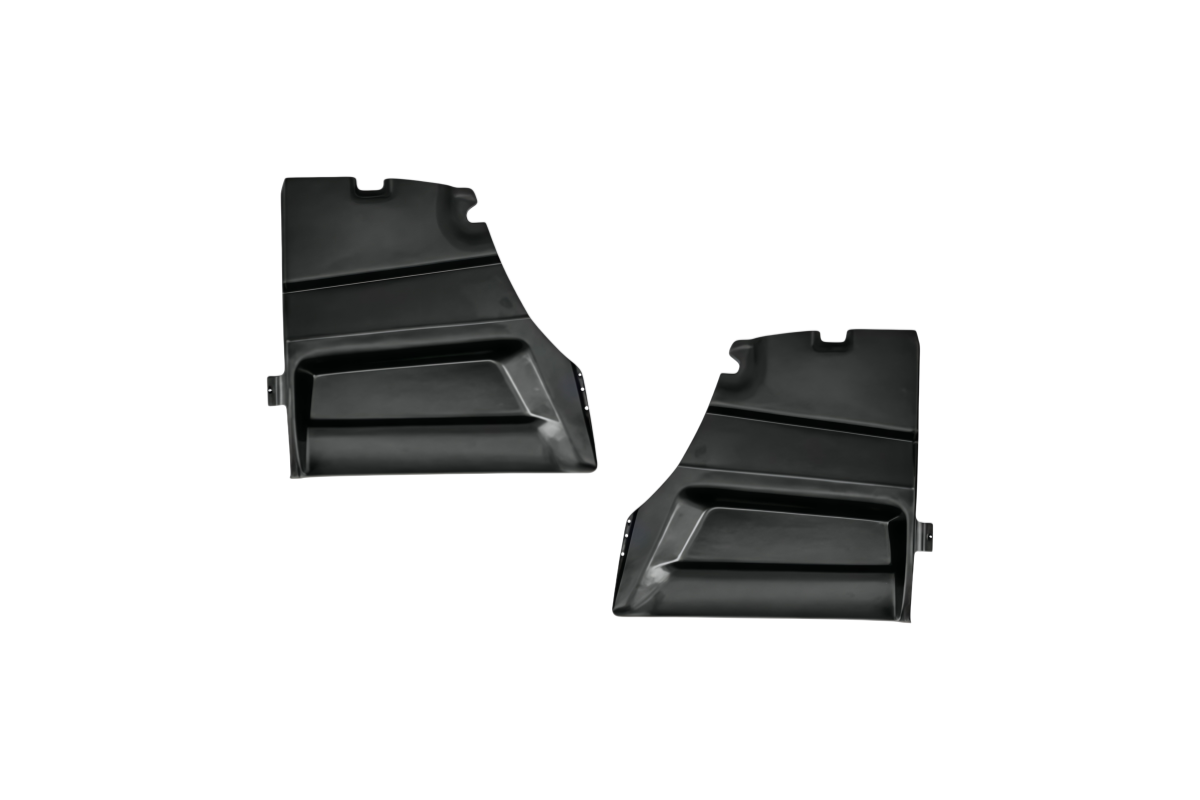
Spray Coating

Applies a protective or decorative paint layer to plastic surfaces, enhancing appearance, durability, and resistance to wear and chemicals.
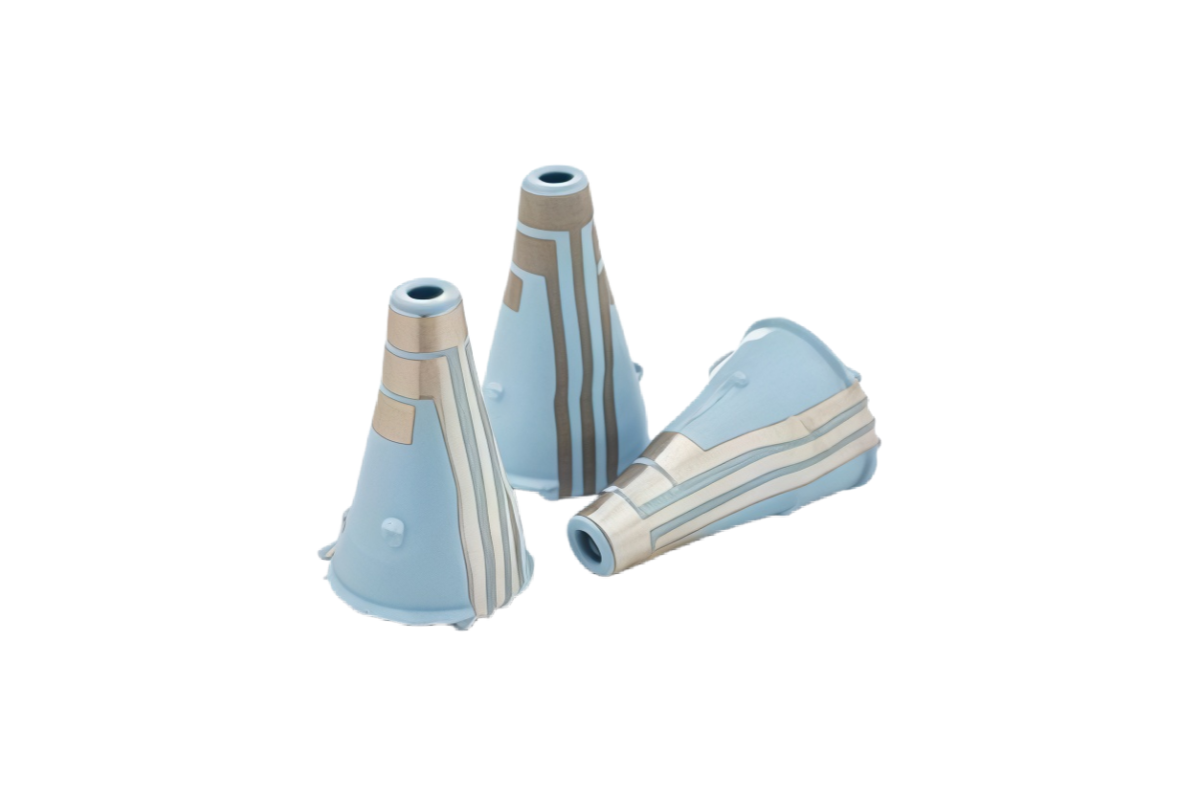
Water Plating

A surface treatment using electrolysis to deposit a thin metal layer on plastic parts, improving conductivity, corrosion resistance, and aesthetics.
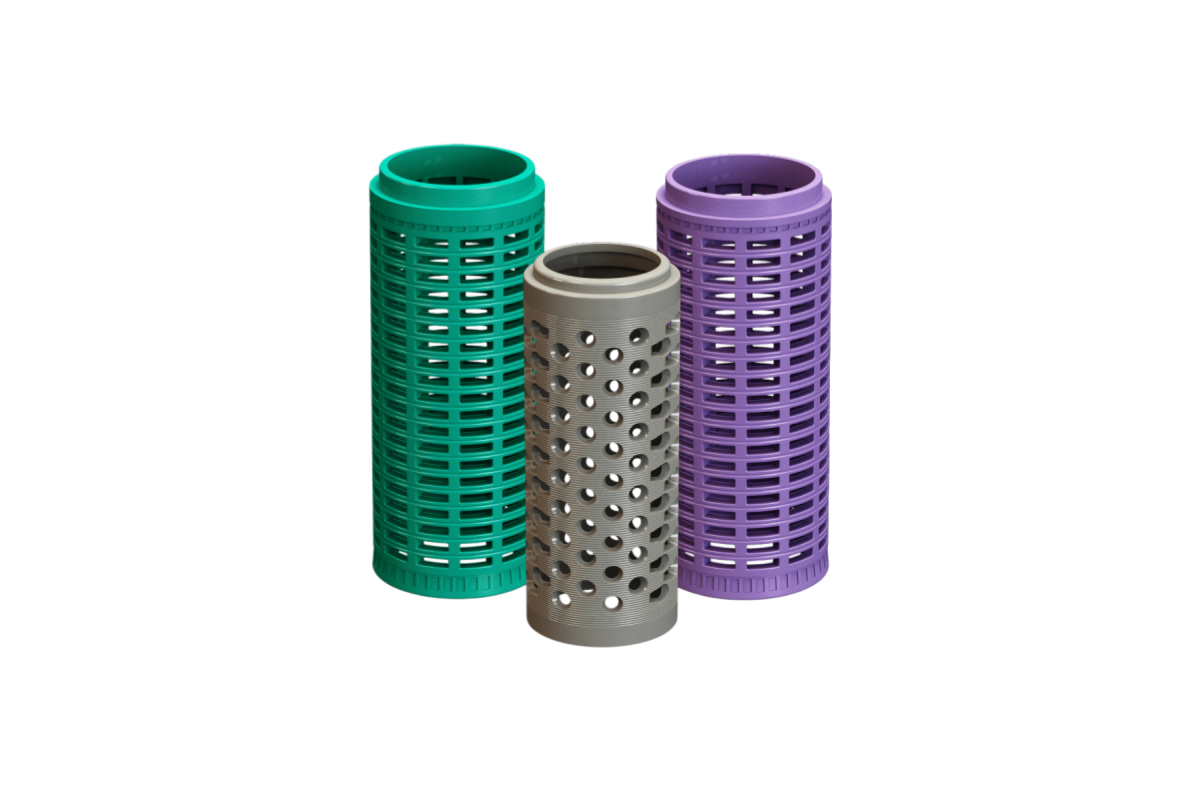
Color Dyeing

Infuses plastic with vibrant, lasting colors through a dyeing process, ensuring uniform appearance without affecting material properties.
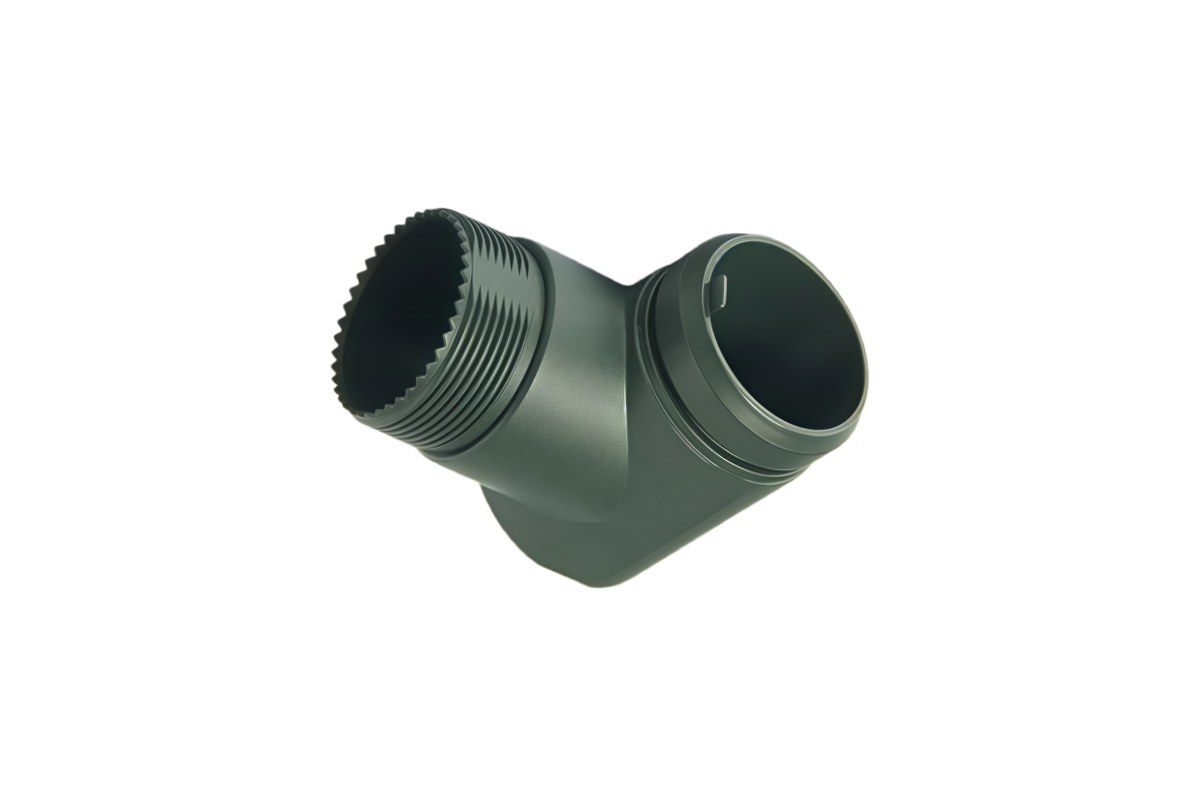
Sandblasting

Uses high-pressure abrasive particles to create a matte or textured finish on plastic surfaces, improving grip and aesthetics.
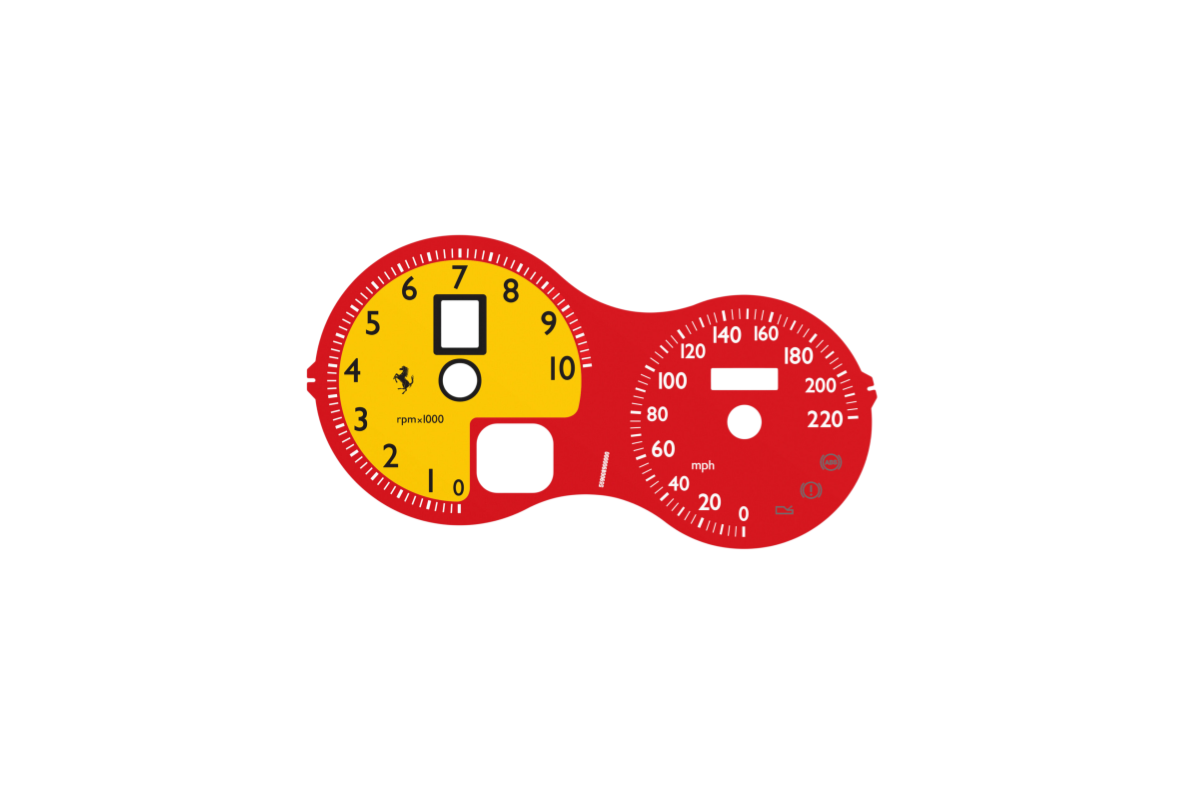
Silk Screening

Prints patterns, logos, or text on plastic parts using a mesh screen and ink, ensuring sharp, durable graphics.
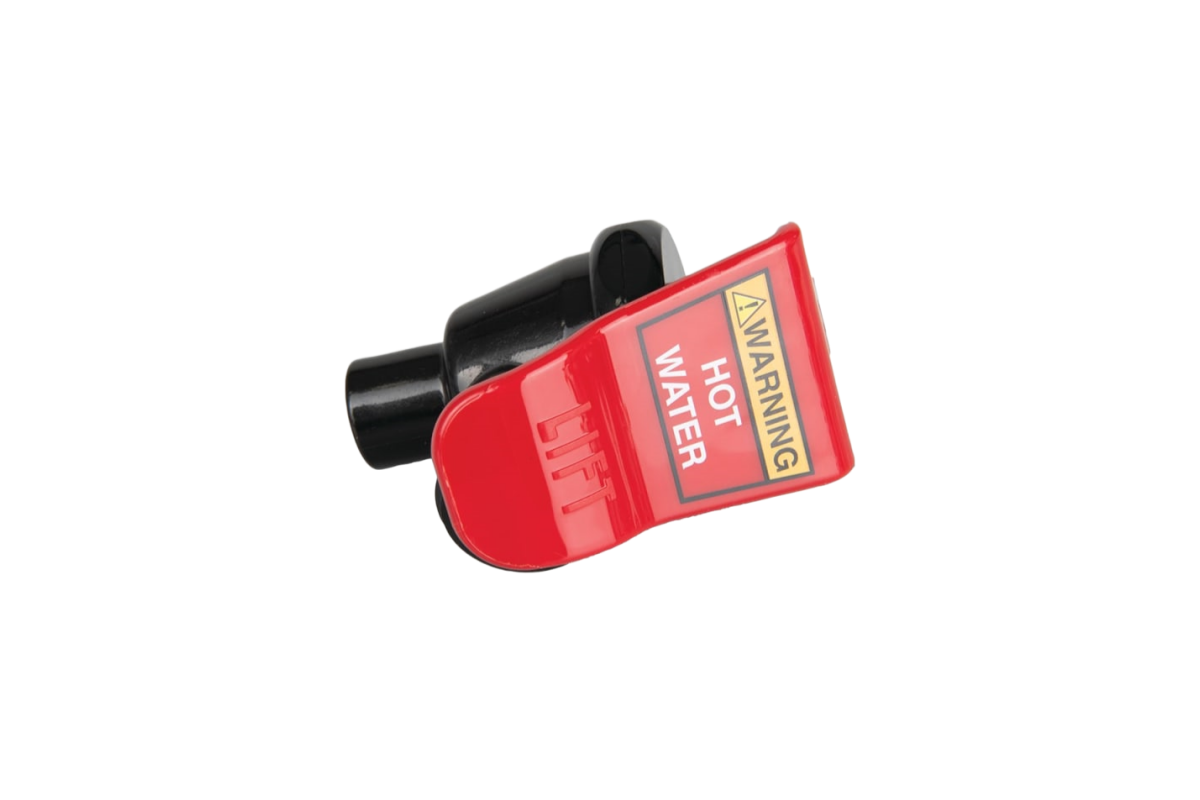
Pad Printing

Transfers ink from an engraved plate to plastic surfaces, ideal for detailed logos and multi-color designs.
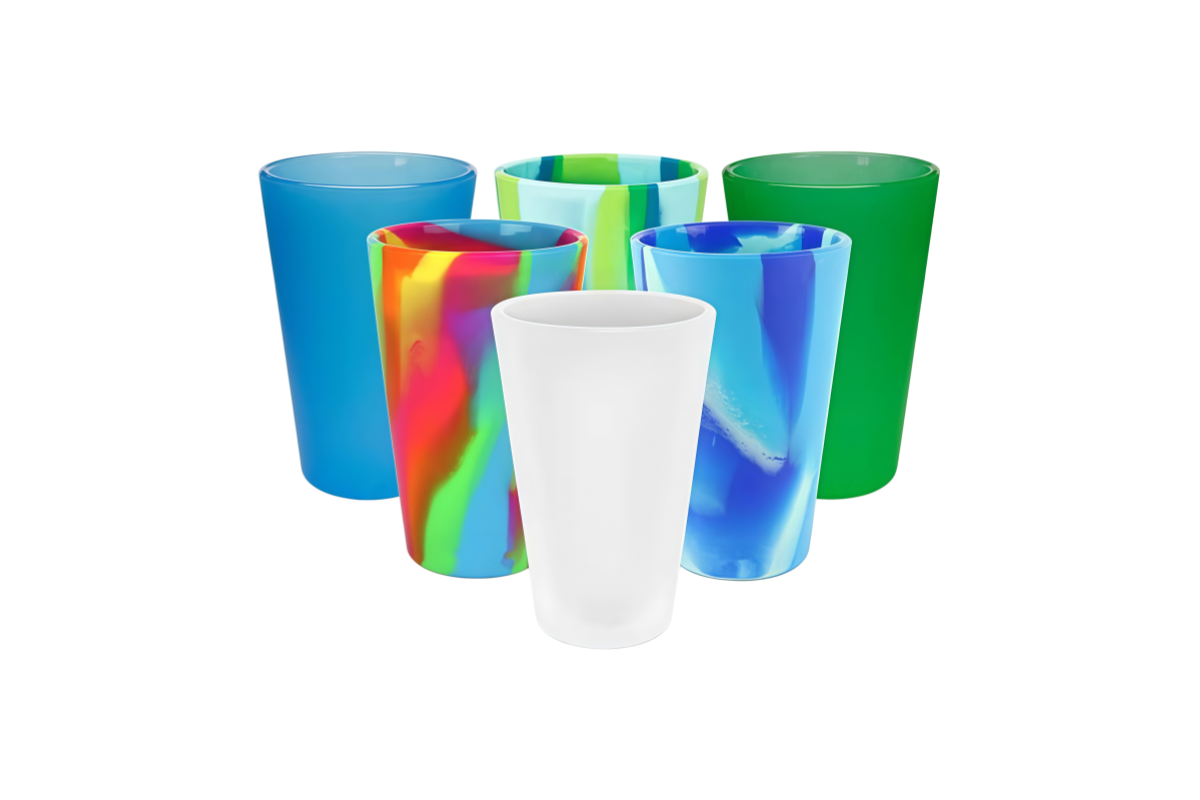
Water Transfer Printing

Uses a printed film on water to transfer intricate designs onto plastic parts, achieving a seamless decorative finish.
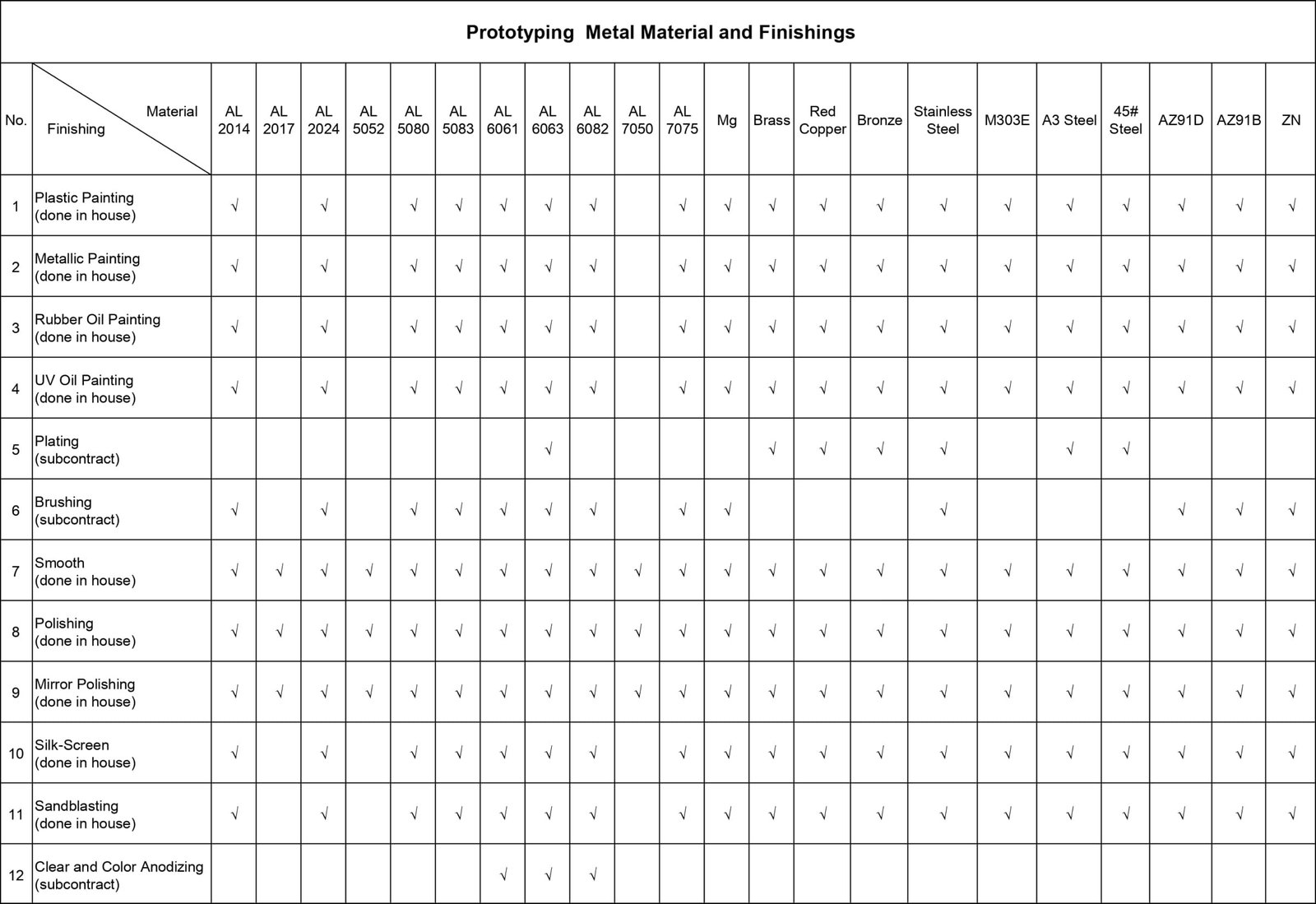
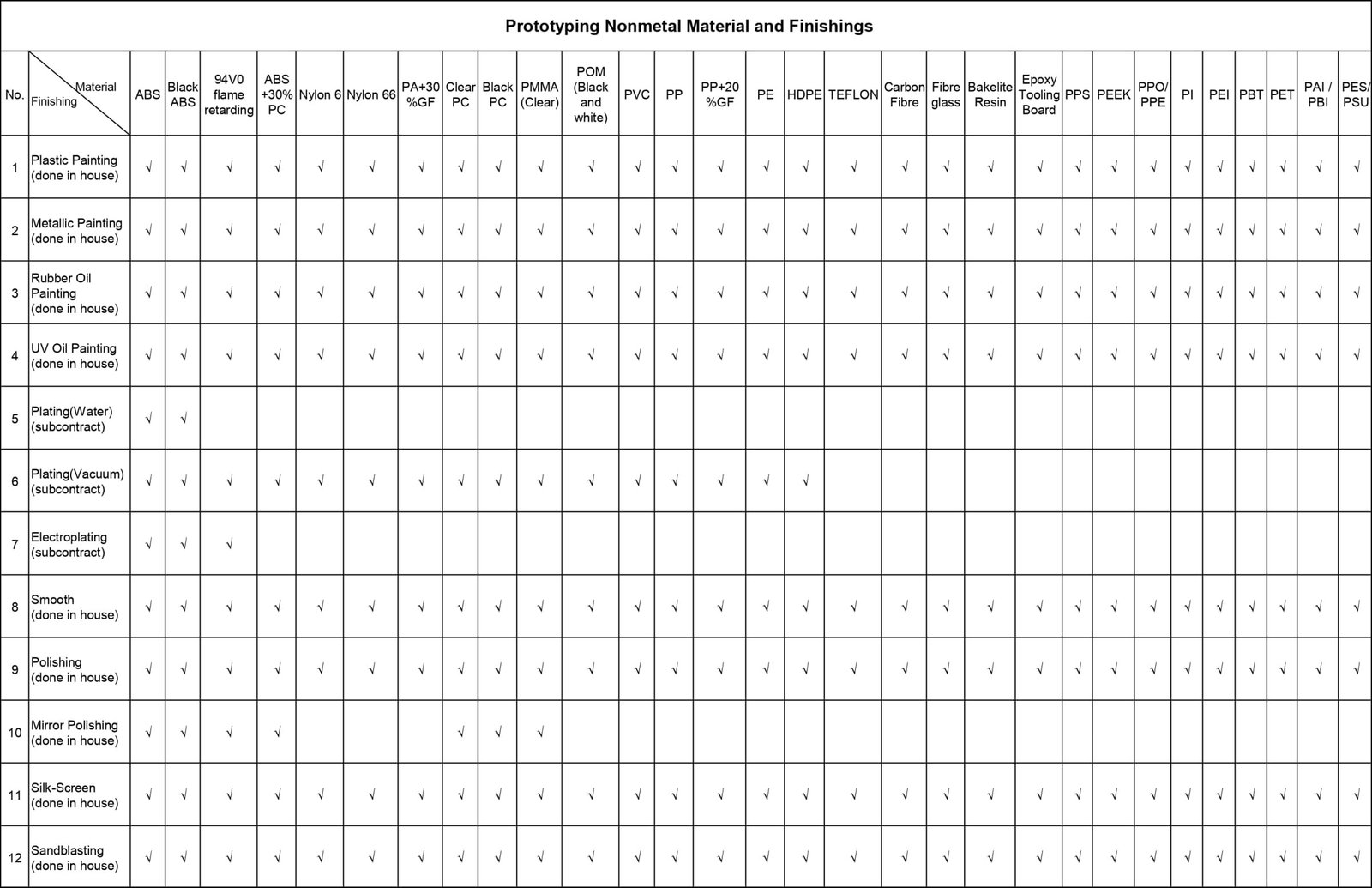
When it comes to surface finishing, selecting the right process is crucial for enhancing product quality and appearance. We offer a variety of surface finishing options for both metal and non-metal materials. Please refer to the following documents to explore the available surface finishing methods:

Why Choose Us

Expertise for Flawless Results

With years of experience, we provide precise surface finishing that enhances part quality.

Wide Range of Finishing Options

We offer various surface treatments to meet your specific needs, ensuring the best results.

Fast Turnaround, Efficient Service

Our streamlined processes ensure on-time delivery, speeding up your project timeline.

Strict Quality Control

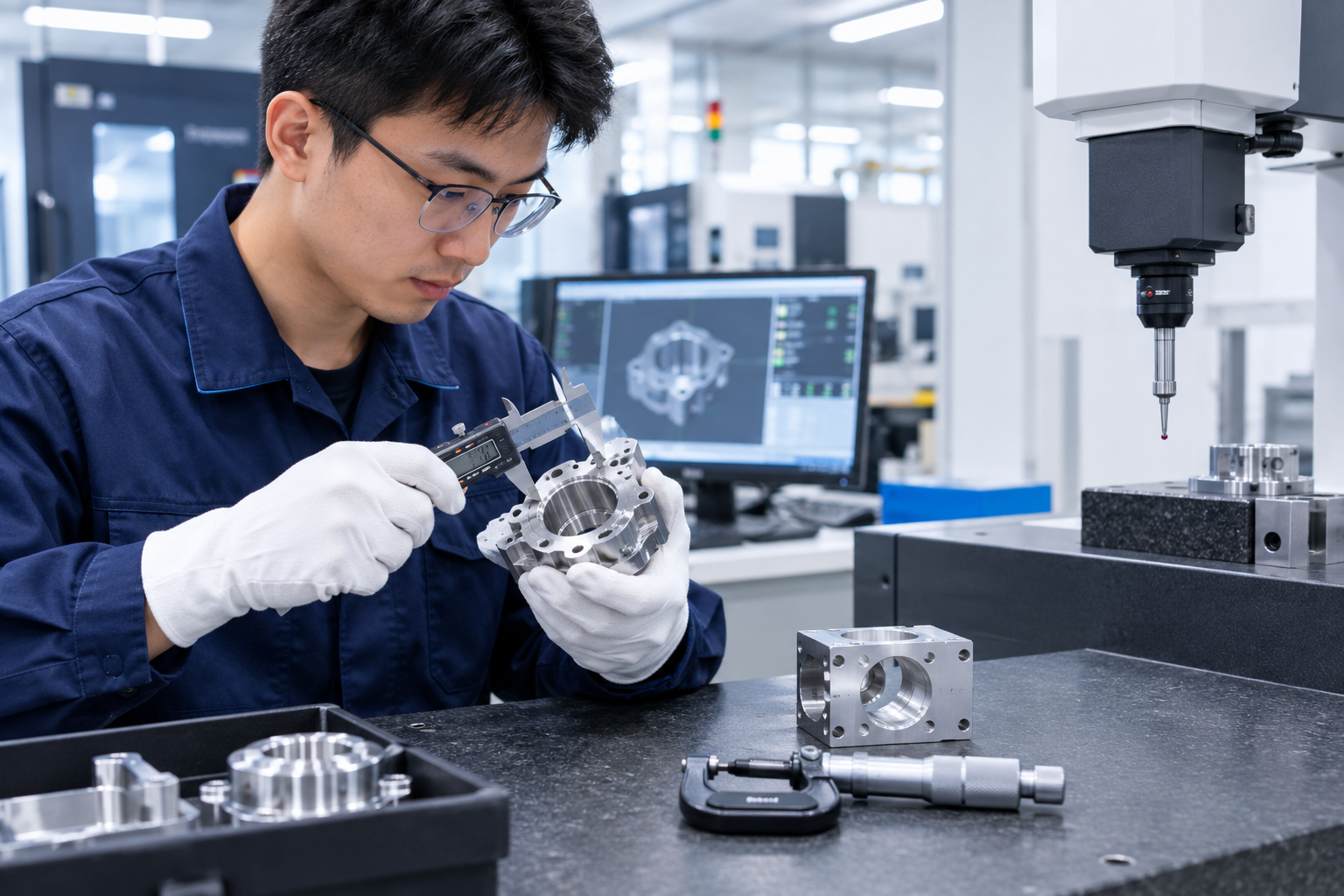
Every part undergoes thorough inspection to guarantee the highest standards of surface finish.

FAQs about Surface Finishing

What is meant by surface finishing?

Surface finishing is a set of technique for altering the surface of a workpiece for the improvement of its functions or appearance. Example of surface finishing include painting, annealing, or anodizing.

What is the industry standard for surface finish?

The industry standard for surface finish is surface roughness measured by roughness average (Ra).

Different industries have their surface roughness requirements

What are the different types of surface finishes?

Common types of surface finishes available at KG Model include:

  • Polishing
  • Anodizing
  • Plating
  • Sandblasting
  • Painting

Choosing any of the above depends on your project requirement, available finish, and the budget.

How is surface finish calculated?

The surface finish is calculated using a profilometer which measures the workpiece surface roughness in micrometers or microns.

What factors affect the surface finish of a product?

The surface finish of a product depends on the following:

  • Manufacturing process
  • Material type
  • Tool quality
  • Speed of production
How does surface finish impact the performance of a part?

Surface finish can help improve a part’s functionality or its aesthetics. For example, anodizing improves surface hardness and offer many color options while painting offers more of corrosion resistance and color options.

Can you achieve a mirror-like surface finish?

Use surface finishing process such as polishing or lapping to get a mirror like surface finish

How do you choose the right surface finish for my project?

Before you choose a surface finish technique, you must consider the part’s intended use, the type of material, whether you need functional, aesthetics, or both improvement. 

Your budget and the industry requirement will also shape your choice. Contact us at KG Model to guide you on making the right choice

Are there any environmental impacts associated with certain surface finishing methods?

Yes, some surface finishing methods can have environmental impacts. Techniques like plating and anodizing can produce toxic chemicals or waste which can impact the environment

Regardless, KG Precise complies with all environmental standards to minimize negative impacts.

What is the typical lead time for surface finishing services?

Lead time for surface finishing services depends on the technique you use. Painting can be as fast as a two days while techniques like electroplating can take longer.

The driving force for the lead time of using a surface finishing option is the technique, part dimension, order size, and capability of the surface finishing service.

Lead time ranges from a few days to a couple of weeks

Start With a Free Project Review

Ready to enhance your parts with superior surface finishes? Contact us today to get started on your project!

Latest Blog